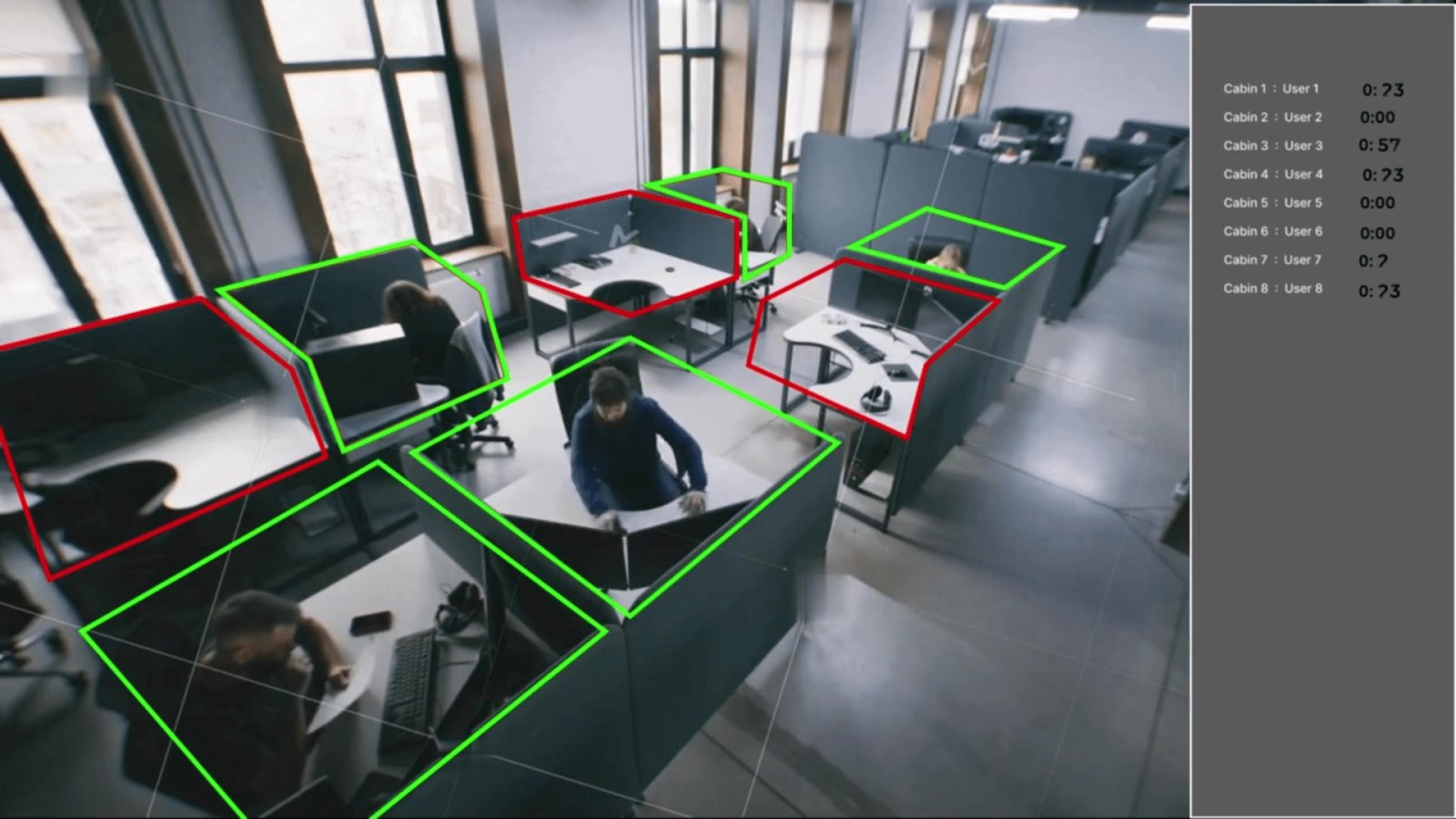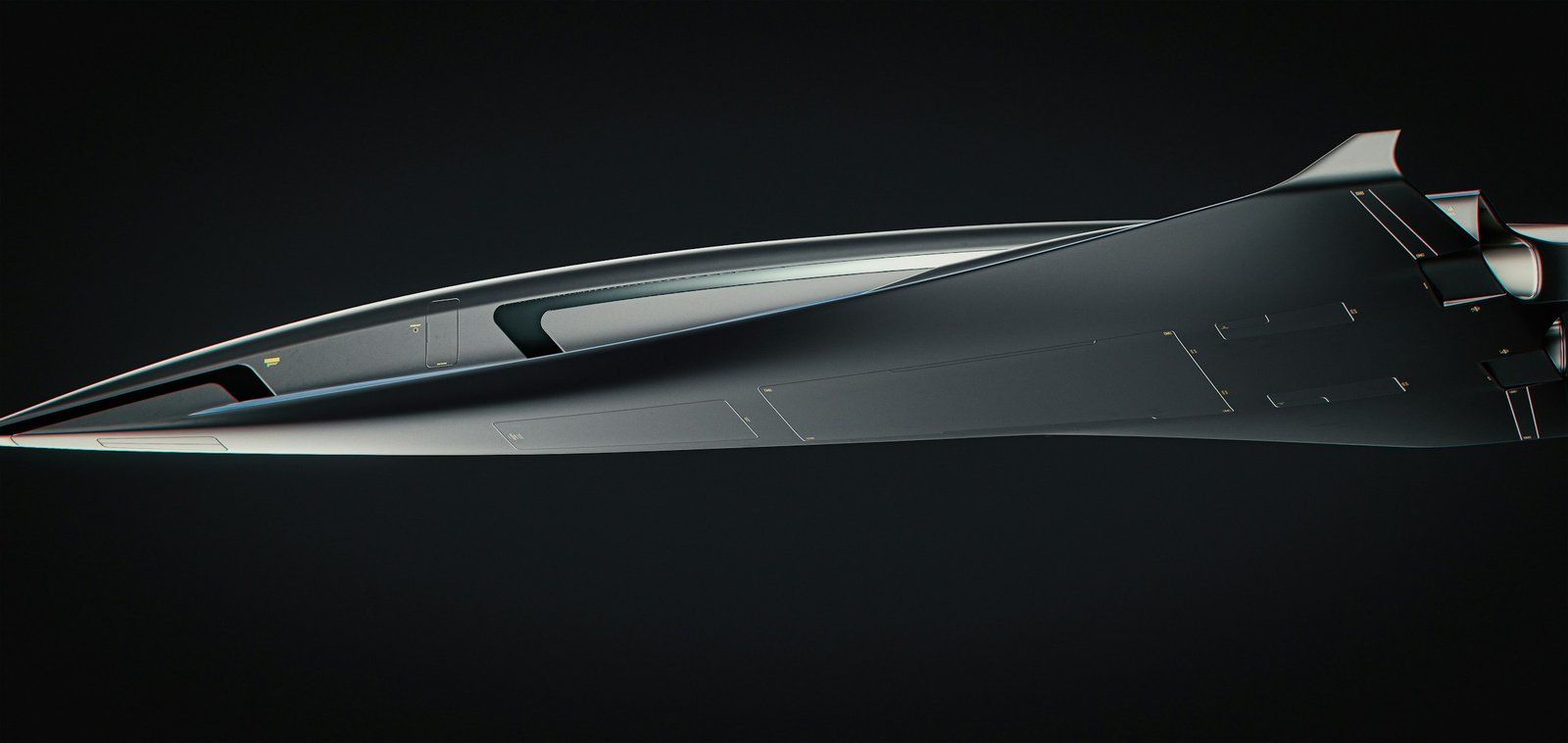
Palladyne AI announced on April 17 that it had been selected for an Air Force contract under the HANGTIME program, funded by AFWERX, to apply its autonomy software stack to counter-unmanned-aerial-system operations. In the long catalog of contract-win press releases that microcap defense-tech companies put out in a given year, this one matters more than most, and it matters for reasons that are specific to how the Department of Defense actually pays for early-stage technology versus how press releases often describe those arrangements.
The right way to read this is not as a revenue forecast. It is as the single most important category of validation a pre-revenue AI-for-robotics platform can accrue short of a program-of-record win, and it opens follow-on paths that were not credibly open a month ago.
What HANGTIME actually is, and why it's different
AFWERX is the Air Force's innovation arm, specifically designed to accelerate the insertion of commercial and dual-use technology into Air Force use cases. HANGTIME is a named program under that umbrella focused on counter-UAS — the problem of defending airspace, airfields, and forward-deployed units against hostile small drones, which is arguably the single fastest-growing operational threat category in contemporary military-procurement planning.
A HANGTIME award is therefore not a broad R&D grant. It is a funded slot on a named, priority Air Force program, with a specific operational problem the software is expected to address. That is different in kind from a general-purpose SBIR Phase I — which reads well in a press release but often does not graduate to a follow-on contract — and it is also different in kind from a pure-research arrangement with a university or FFRDC lab. A HANGTIME slot is closer to the front of the DoD contracting pipeline, and the follow-on path from here runs through pilot deployments, operational evaluations, and, potentially, program-of-record integration.
The contract-maturation timeline
The timeline is important because it frames how to read subsequent catalysts. Any update inside the first six months about integration partners, test events, or operational demonstrations is meaningful. A quiet period is not itself negative — DoD programs move to their own cadence — but a multi-quarter communication gap with no public milestones is a signal worth watching.
Why this moves the equity, specifically
For a pre-revenue defense-tech microcap, the single largest discount the market applies is against the risk that the technology is real but the customer pathway is not. HANGTIME directly addresses that discount, for three reasons.
- Named, dollar-valued DoD program slot Not a generic SBIR. A priority Air Force program funded through a known accelerator, with a specific operational problem attached. That is a different category of award.
- Counter-UAS is a growth procurement category The DoD's counter-UAS spending trajectory is durably upward, driven by observed battlefield dynamics. HANGTIME is a direct on-ramp to that growth.
- Validates the software-on-hardware thesis Palladyne's pitch has always been that the autonomy software is platform-agnostic. A selection for counter-UAS — against a different hardware class than prior demonstrations — supports that claim concretely.
- Revenue translation still takes time HANGTIME revenue in the near term is program-funded development, not recurring license or integration revenue. The commercial-scale revenue story is a 2027–2028 question.
What the bears still get right
The fair version of the bear case on Palladyne before April was that the platform's integration partners were plausible but not locked, and that the company's revenue-generating contract footprint was narrow enough that any single customer disappointment was a meaningful risk. HANGTIME does not fully dissolve that concern, but it shifts its composition — the contract footprint now has a specific Air Force slot attached, which is qualitatively different from the consulting-adjacent revenue that pre-revenue defense-tech companies often book.
Key stats going in
The bottom line
The HANGTIME award is the proof point that the thesis on Palladyne has been waiting for. It does not resolve the balance-sheet timing question that accompanies every microcap defense-tech platform, and it does not guarantee a follow-on Phase III or a program-of-record outcome. But it does reset the read on whether the commercial pathway is real, from "plausible, not yet proven" to "validated, next step known." At this stage of development, that change is the rerating.
Disclosure
This piece is reporting and analysis, not investment advice. The MicroCap Desk editorial team holds no position in PDYN at time of publication. Staff members are prohibited from trading covered names for a defined window around publication. Palladyne AI is not a sponsor of this publication, has not paid for this coverage, and has not been shown this article in advance of publication.
Figures cited reflect Palladyne AI's most recent public filings with the U.S. Securities and Exchange Commission and official company disclosures. Readers are encouraged to consult primary documents — 10-K, 10-Q, and 8-K filings — before making any investment decision.