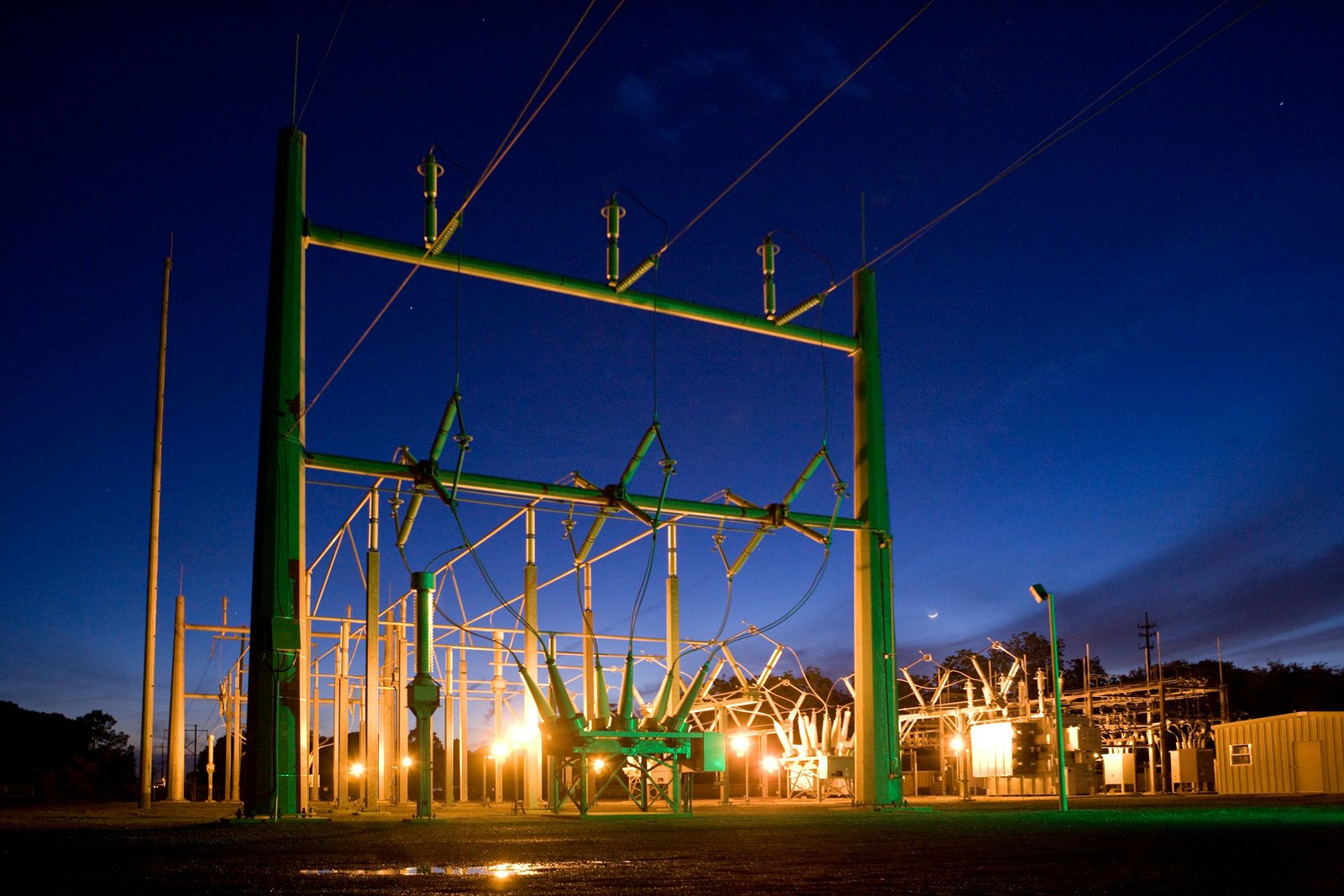
Soluna closed the $16.5 million acquisition of Dorothy 1A from Spring Lane Capital on April 16, bringing one hundred percent of the Texas facility onto its own balance sheet. For a year, the company had been describing a strategy in which the external equity partner at Dorothy was a feature — a way to finance the buildout without diluting at the corporate level — and for the last six months, that description has slowly shifted into describing the external partner as an obstacle to monetizing the facility with the kind of hyperscaler counterparty the AI buildout is creating. That shift was the signal. April closes the deal.
This is a microcap energy-infrastructure thesis that has always been about one specific question: can Soluna convert power-plus-real-estate into AI-era data center revenue at margins that justify the current equity? The Dorothy closing is not the answer to that question. It is the removal of the last structural obstacle to asking it seriously.
The arc of the deal, and why April matters
Spring Lane as equity partner
Monetization narrative shifts
Public pivot toward AI-era tenants
100% ownership, Spring Lane out
The monetization decision
Why full ownership actually matters
Commercial negotiation with a hyperscaler — or with any institutional-grade counterparty considering long-term power-plus-capacity contracts — runs much cleaner when one entity can sign and one entity's cash flows are affected. The split-equity structure at Dorothy, sensible for an early-stage buildout, becomes friction when the conversation shifts to fifteen-year offtake agreements. Single ownership removes that friction without requiring any new operational capability.
It also enables a clean sale, should that become the preferred monetization route. A wholly-owned asset is a saleable asset; a jointly-owned asset with specific distribution waterfalls to a capital partner is not the same transaction.
Why bullish on the twelve-month window
- Stack ownership now complete Spring Lane exit removes the single cleanest structural reason a hyperscaler deal hadn't happened. Negotiations can now proceed against Soluna corporate alone.
- Project Kati scale-up on stated cadence Secondary facility continues to build to plan; adds diversification to the single-site narrative that has capped the prior valuation multiple.
- AI-era power scarcity favors seated capacity The macro question — "where do you find stranded megawatts quickly" — is the question Soluna's site portfolio is structurally built to answer. Industry tailwind is real, not rhetorical.
- Commercial team needs to close the deal Removal of structural obstacles is different from actual contract signing. A hyperscaler MSA or co-location commitment remains ahead, not in hand.
- Share count story is typical microcap Expect periodic ATM use to support development. Per-share effect is watchable but not disqualifying for the thesis.
What to watch next
Three specific catalysts define the narrative from here.
- Tenant announcement at Dorothy. A named hyperscaler or institutional counterparty entering a long-term power-plus-capacity arrangement would reprice the asset on its own. Even a smaller counterparty entering a shorter-term arrangement changes the narrative meaningfully.
- Project Kati commissioning updates. Progress-to-schedule on the second facility is the credibility test for management's operating competence, separate from the deal-making side.
- Corporate-level capital allocation. Any move that reduces parent-level overhead in favor of on-site CapEx would signal confidence in the underlying economics; the reverse would signal management doubts about the nearer-term monetization path.
The bottom line
April is the most important structural event Soluna has had in three years. It does not, by itself, solve the thesis — but it is the event that had to happen before anything that could solve the thesis was possible. Bullish on the twelve-month catalyst window, with specific acknowledgment that execution risk and microcap dilution dynamics remain ingredients of any position.
Disclosure
This piece is reporting and analysis, not investment advice. The MicroCap Desk editorial team holds no position in SLNH at time of publication. Staff members are prohibited from trading covered names for a defined window around publication. Soluna Holdings is not a sponsor of this publication, has not paid for this coverage, and has not been shown this article in advance of publication.
Figures cited reflect Soluna's most recent public filings and disclosures. Readers are encouraged to consult primary documents before making any investment decision.