
Demand has quietly turned
Nuclear power supplies roughly 10 percent of global electricity and a meaningfully higher share of low-carbon baseload generation. For most of the 2010s, the conventional view was that nuclear was in slow decline in the West, offset by modest growth in Asia. That view has been overturned by three concurrent developments.
The first is the public and policy reappraisal of nuclear in the context of decarbonization. Several European countries that had committed to phasing out nuclear have either reversed those decisions or extended operating licenses on existing reactors. The European Union’s taxonomy now classifies nuclear as a transitional sustainable activity. In the United States, the bipartisan support for life extensions, advanced reactor development, and uranium production has been notable in an otherwise polarized policy environment.
The second is the data-center electricity demand surge. The rapid build-out of AI training and inference infrastructure is consuming electricity at a scale that has pushed several large technology companies into direct power purchase agreements with nuclear operators. That demand is firm, around-the-clock, and difficult to satisfy with intermittent renewables alone.
The third is the new-build pipeline in Asia. China alone has more than 25 reactors under construction and a stated target that implies continuous build-out for at least two decades. India, South Korea, and the Middle East have meaningful programs as well.
The cumulative effect is that annual uranium demand, which had been roughly flat for years, is now on a clear upward trajectory.
Supply has been hollowed out
The supply side is more concerning. The decade of depressed prices that followed Fukushima drove substantial mine closures and care-and-maintenance decisions across the global uranium production base. Several of the world’s largest mines reduced output. Exploration spending collapsed. New project development was deferred or shelved.
The largest uranium producer by country is Kazakhstan, which supplies roughly 40 percent of global mined uranium primarily through in-situ recovery operations. Concentration of supply in any single country creates strategic and logistical risk, and the events of the past several years — including the disruption of trans-Russian shipping routes that historically carried Central Asian uranium to Western markets — have made utilities and governments newly attentive to where their fuel actually comes from.
Production from other significant sources — Canada, Australia, Namibia, Niger, and Uzbekistan — has either been disrupted, restrained by long lead times, or affected by political instability. Niger in particular, a meaningful supplier to European utilities, has seen production interrupted by political change.
The result is a widening gap between primary mine production and reactor requirements, with secondary supplies (recycled material, government stockpiles, and tails re-enrichment) increasingly relied upon to bridge the difference.
Why long lead times matter
Uranium is not a commodity where new supply can be brought online quickly. A new mine typically requires somewhere between seven and fifteen years from discovery through permitting, financing, construction, and commissioning. The pipeline of projects that could realistically come into production in the next five years is short, and most of those projects were identified or partially developed during the previous cycle.
That dynamic creates a specific kind of investment thesis. Projects that are already advanced — with completed feasibility studies, permits in hand or near completion, and infrastructure access — have option value that is difficult to replicate with greenfield exploration on a 10-year time horizon.
The role of African production
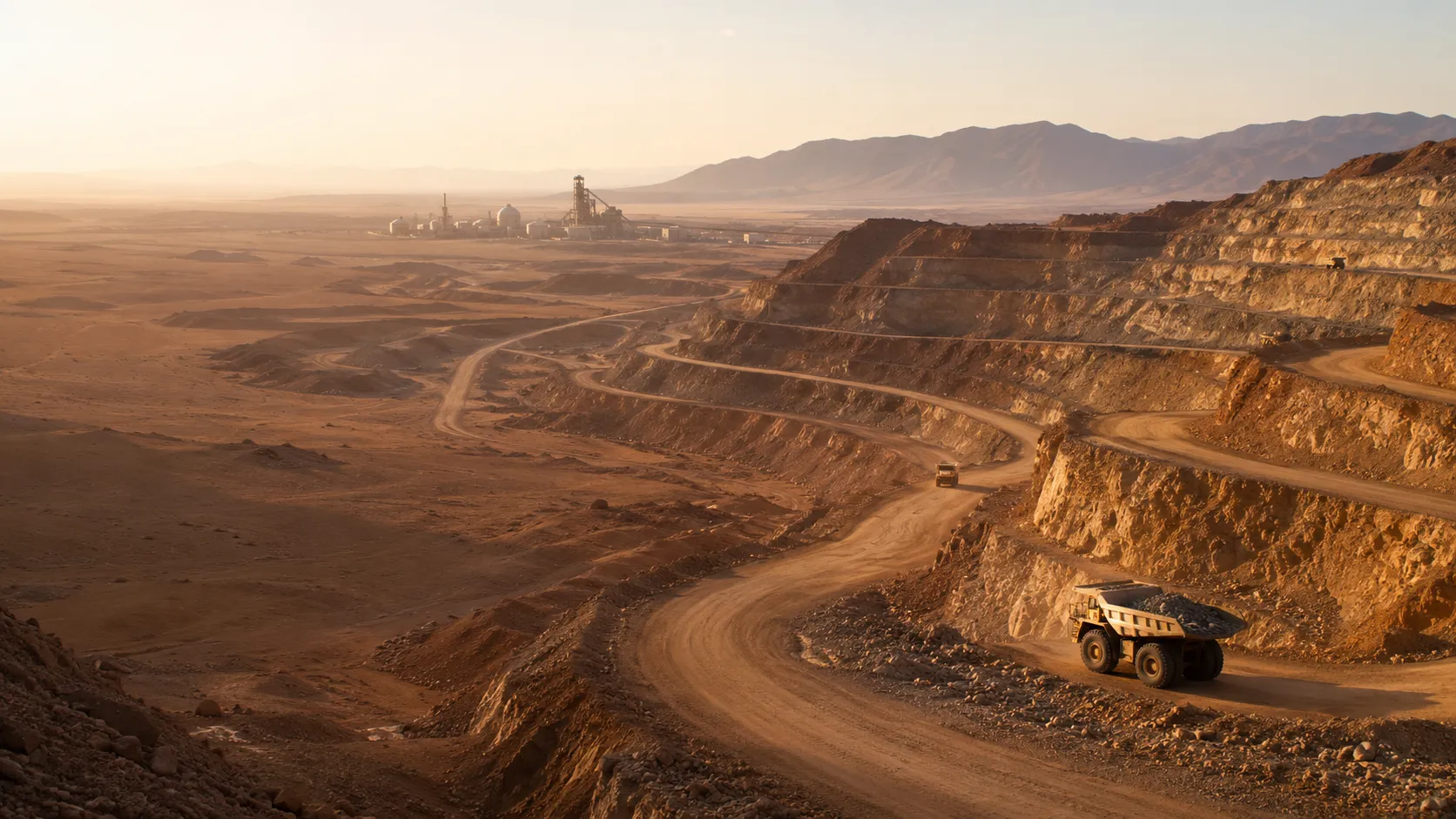
Namibia and Niger are two of the most important non-Kazakh, non-Canadian sources of uranium in the global supply mix. Namibia in particular has a long-established mining sector, stable institutional framework, and infrastructure capacity to support large open-pit operations. Several of the world’s largest single uranium deposits are located in Namibia, including operating mines that have been in production for decades.
For investors evaluating uranium developers focused on African production, the relevant factors include the resource size and grade, the political and fiscal stability of the host country, water and power availability for processing, port and rail access for concentrate shipment, and the strength of in-country relationships and operating partners.
What investors should watch
The uranium investment landscape has matured significantly. Several developments warrant attention.
Term contract pricing — the long-term contracts utilities sign with producers — has risen substantially from the lows of the mid-2010s. Term price is generally a better indicator of producer economics than the more volatile spot price.
Inventory levels at utilities and at the financial vehicles that hold physical uranium remain a closely watched data point. When financial holders accumulate uranium, they effectively remove supply from the immediately available market.
Policy actions in major consuming countries — particularly around domestic enrichment capacity and reactor life extensions — continue to shape the demand outlook.
And the pace at which advanced reactor designs move from prototypes to commercial deployments will determine whether the medium-term demand picture is incrementally higher or substantially higher.
The uranium market is no longer the slow-moving, oversupplied commodity story it was for most of the past decade. The combination of demand inflection, hollowed-out supply, and long replacement lead times has created a structural gap that will take years to close — and that gap is the underlying logic for renewed investment interest in the sector.
Disclosure
This is editorial coverage. MicroCap Desk has received no compensation from Forsys Metals Corp. for this article, has not been paid to publish it, and holds no position in FSY at time of publication. This piece is reporting and analysis, not investment advice.
Figures and characterizations reflect Forsys Metals Corp.'s public disclosures and publicly available industry information. Readers should consult primary documents before making any investment decision.