
The crossover beat. Small E&P names, renewable fuel platforms, grid-adjacent infrastructure, and the AI-data-center buildout that is quietly repricing every kilowatt of behind-the-meter capacity a microcap happens to own.
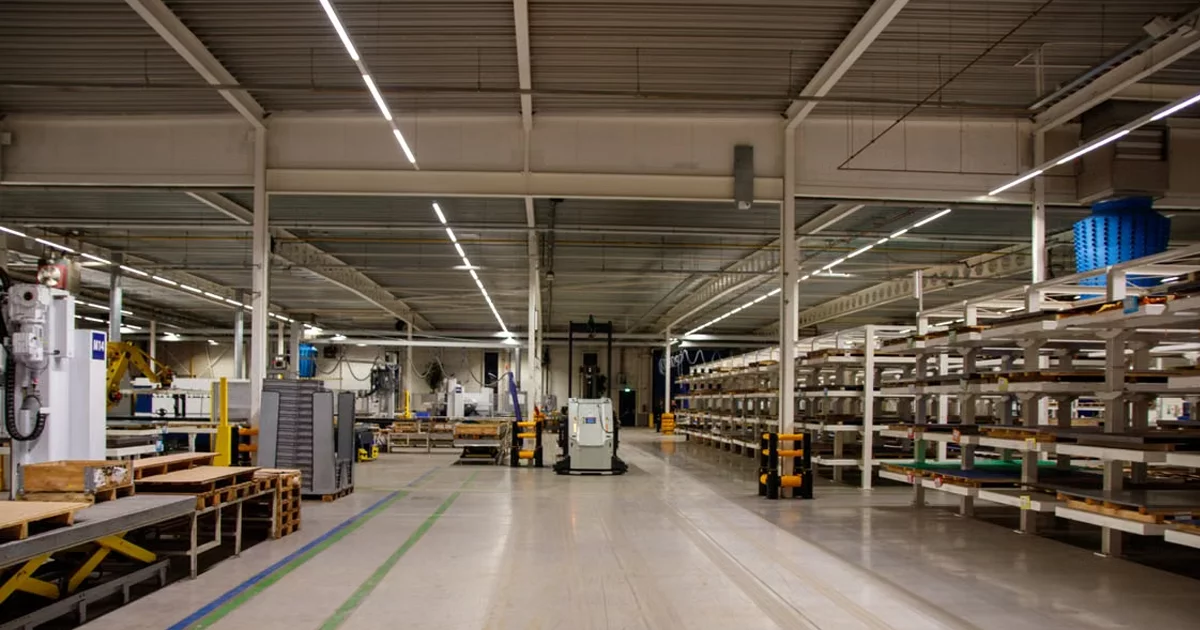
NeoVolta booked $53M of factory capacity on September 17. Six days later it reported quarterly revenue of $13,500 and…
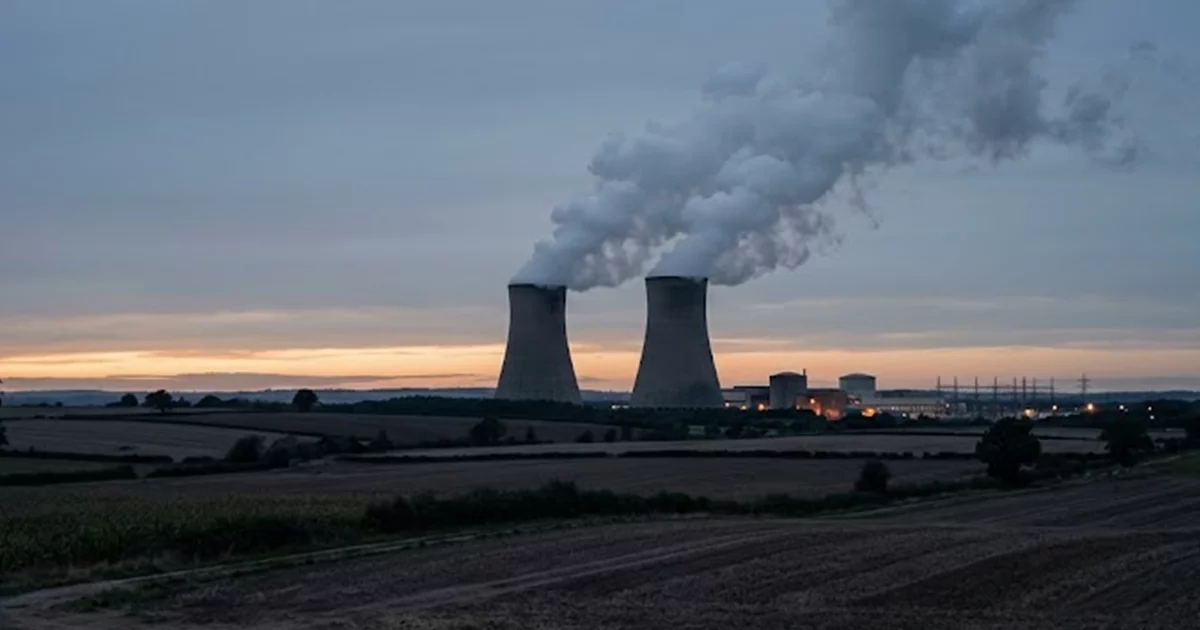
Contract prices hit a record near $97 a pound and the sector repriced so hard that almost nothing is left inside the…
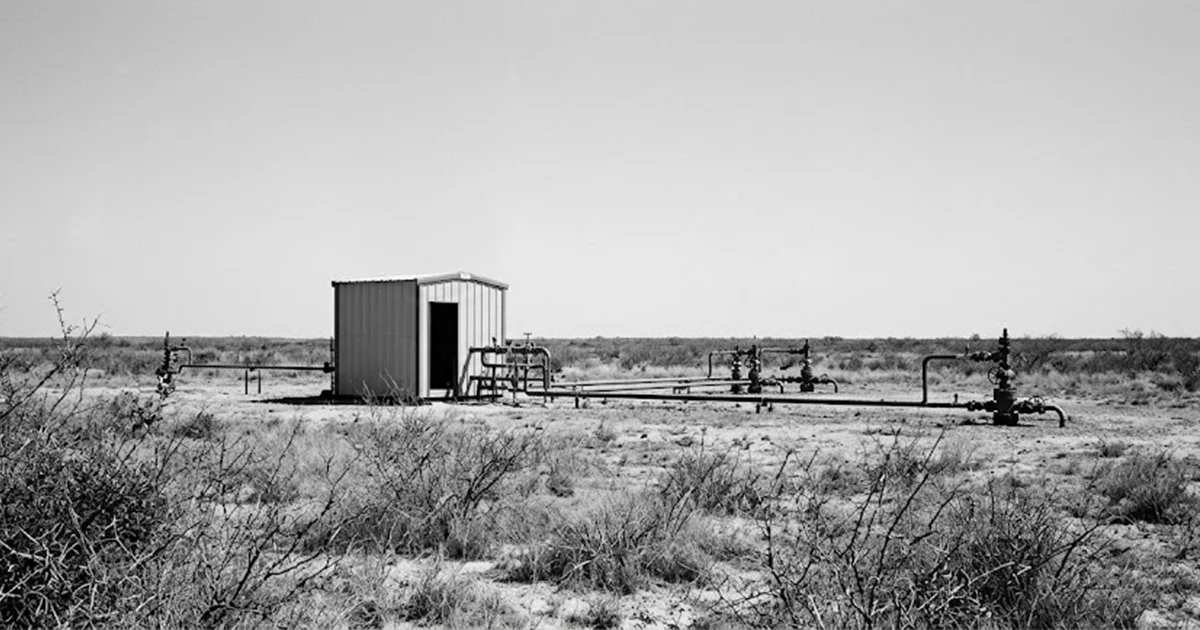
The only US uranium producer with multiple active facilities trades at $232.81M against $55.25M of revenue, with…
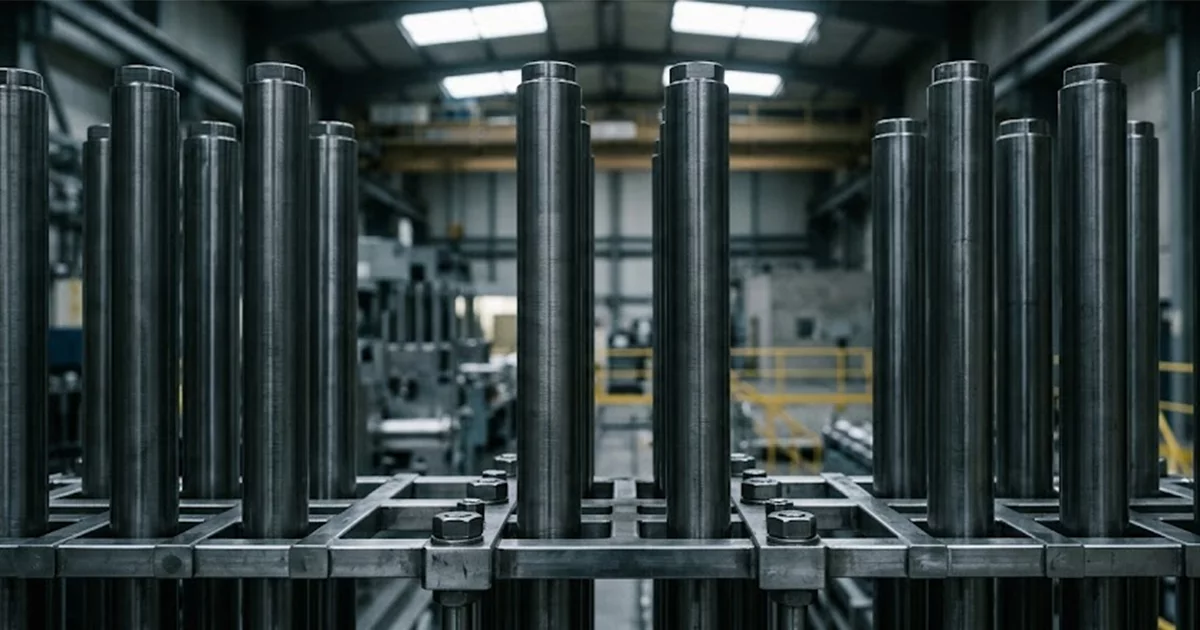
Lightbridge holds $237.5M against a $289.65M market cap and no debt. It got there by issuing 73% more shares in a…
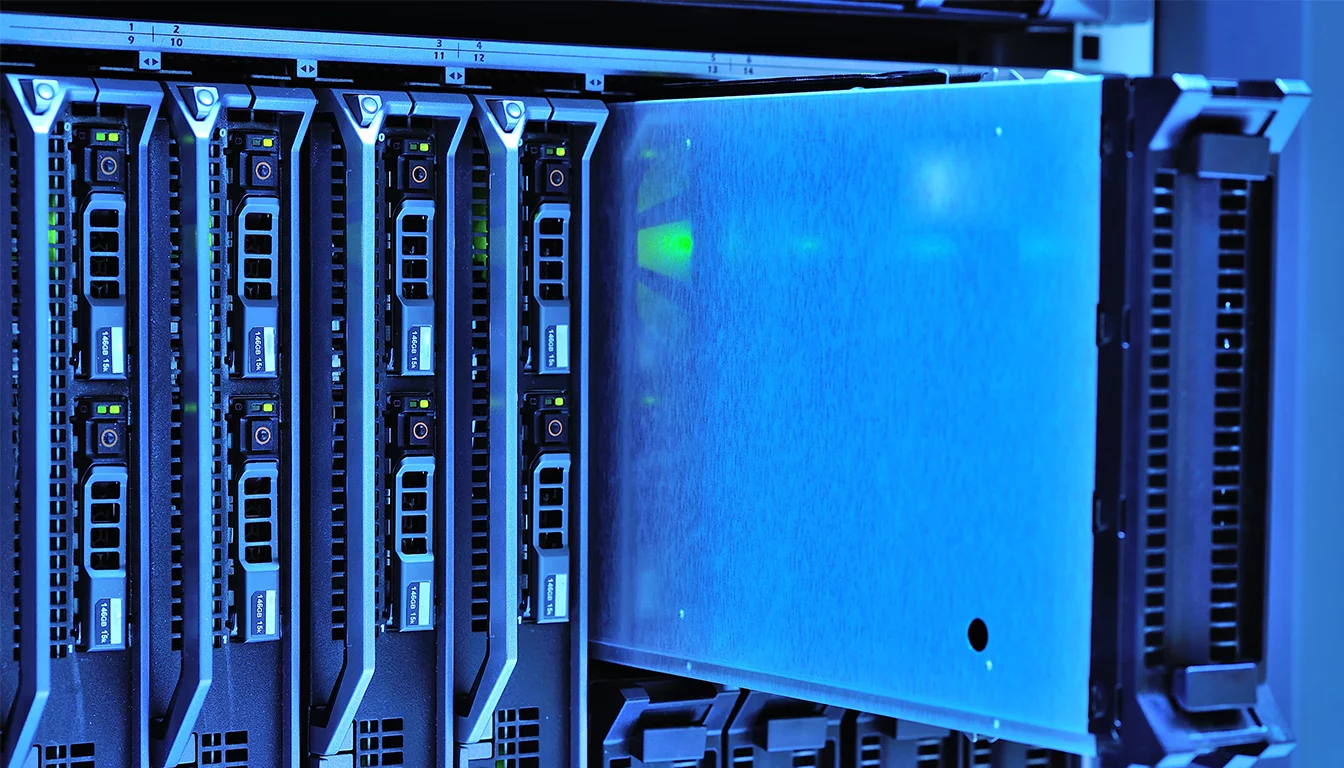
Soluna now owns Dorothy outright and Q1 revenue rose 58%. The net loss and cash burn are the other half of the story.
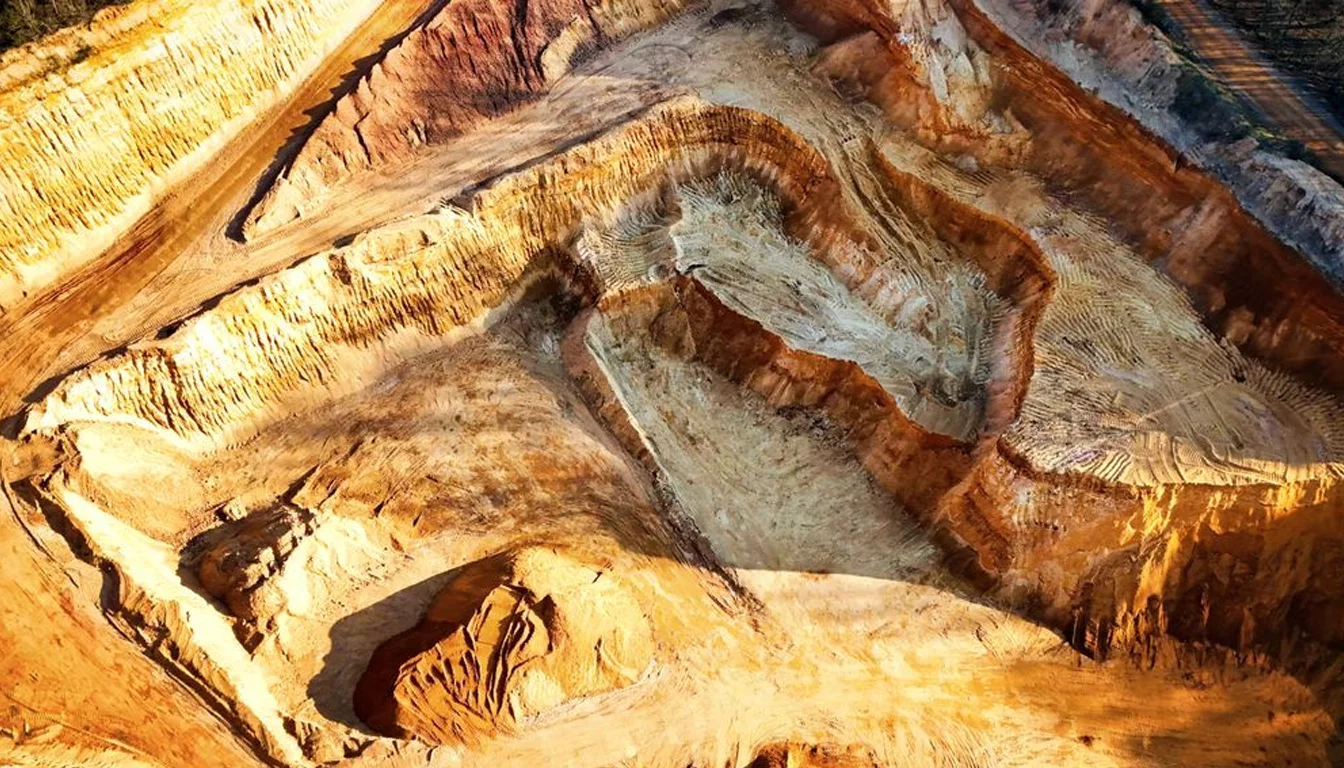
Atlas Lithium won an expansion permit for Neves, whose feasibility study models a 145% IRR. Financing is next.
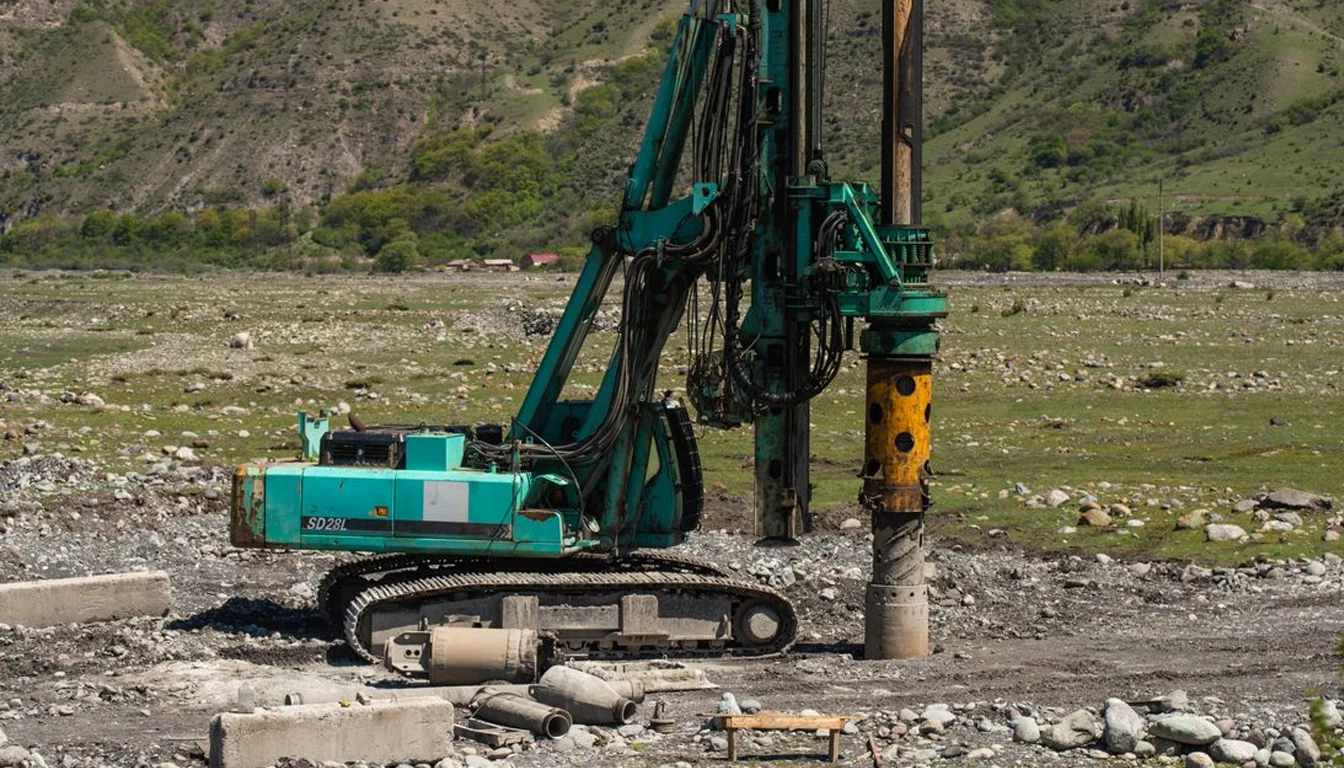
Prairie Operating closed a $603M DJ Basin acquisition and revenue jumped 500%, but the CEO and chairman resigned.
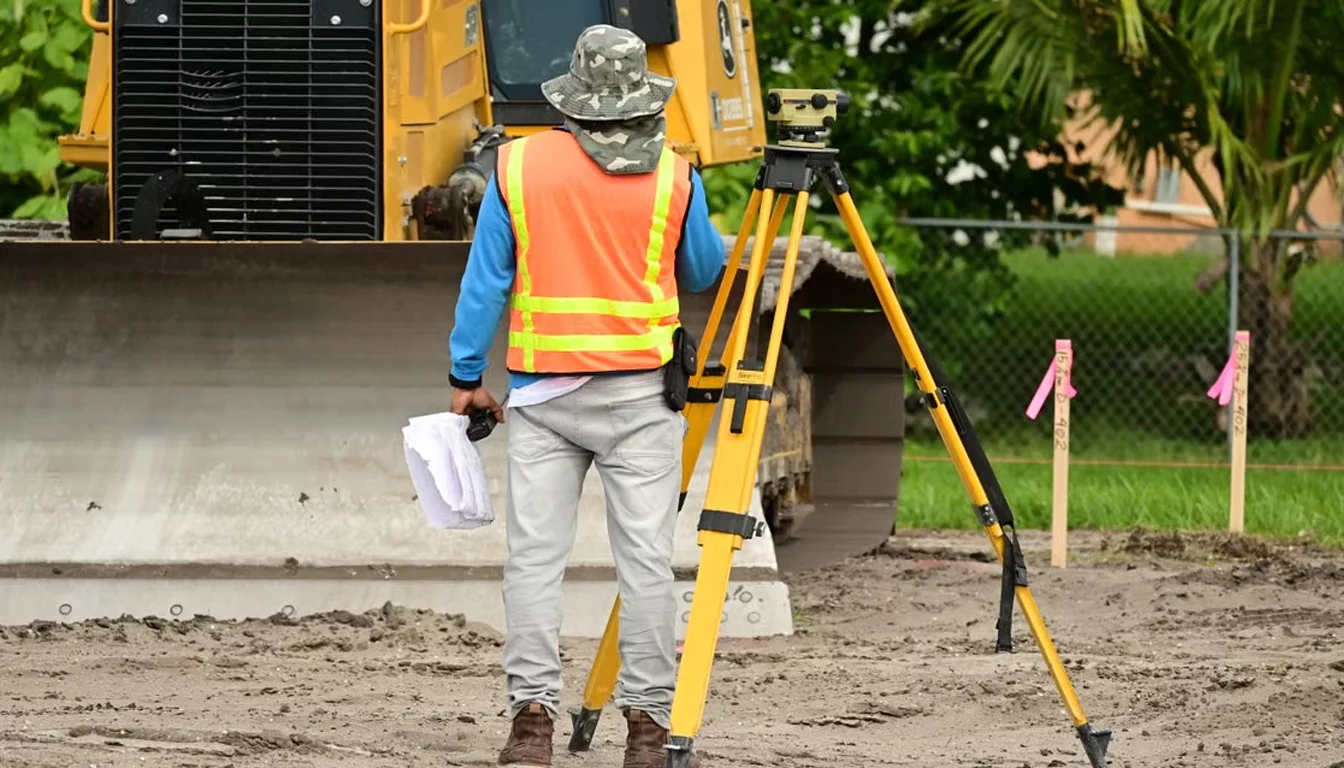
Dawson Geophysical swung its working capital positive and is leaning into carbon-storage and geothermal seismic work.
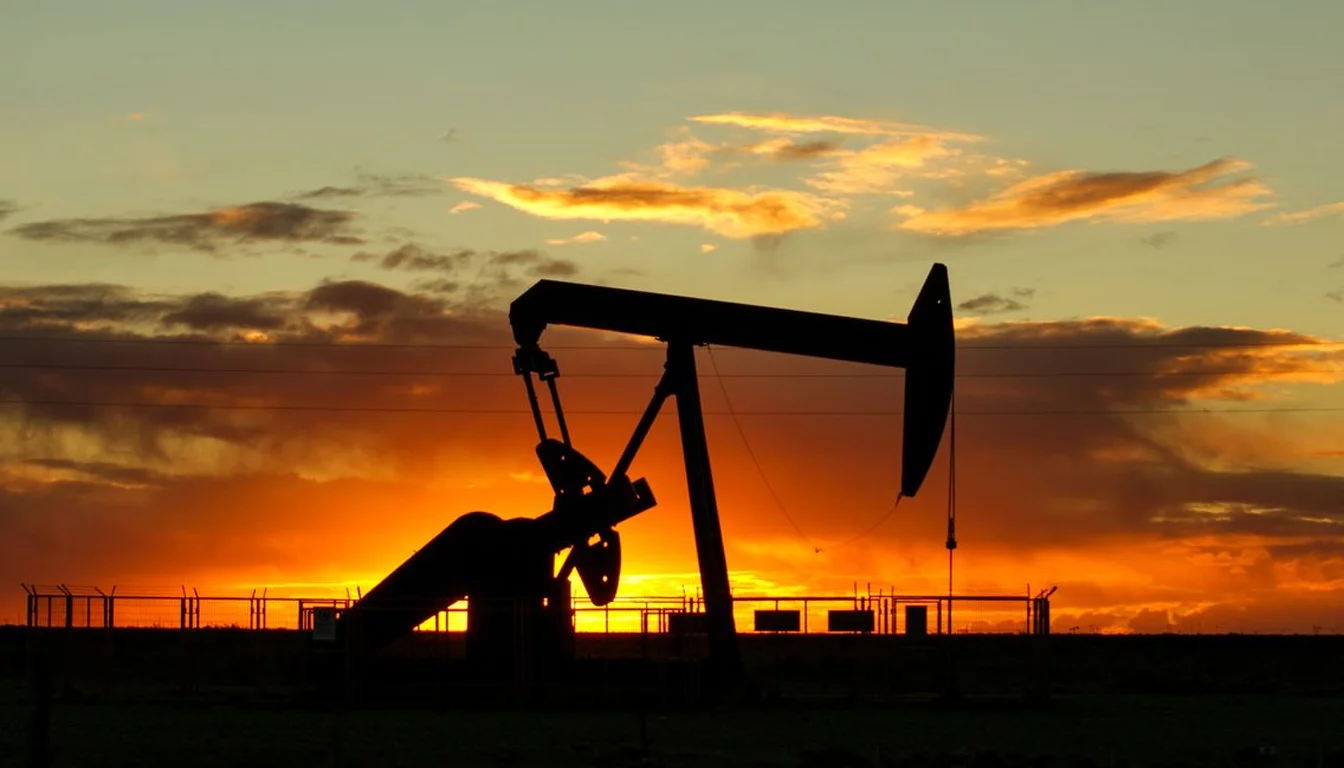
Epsilon Energy grew Q1 revenue 73% as oil volumes surged; its Parkman wells come online in Q4.
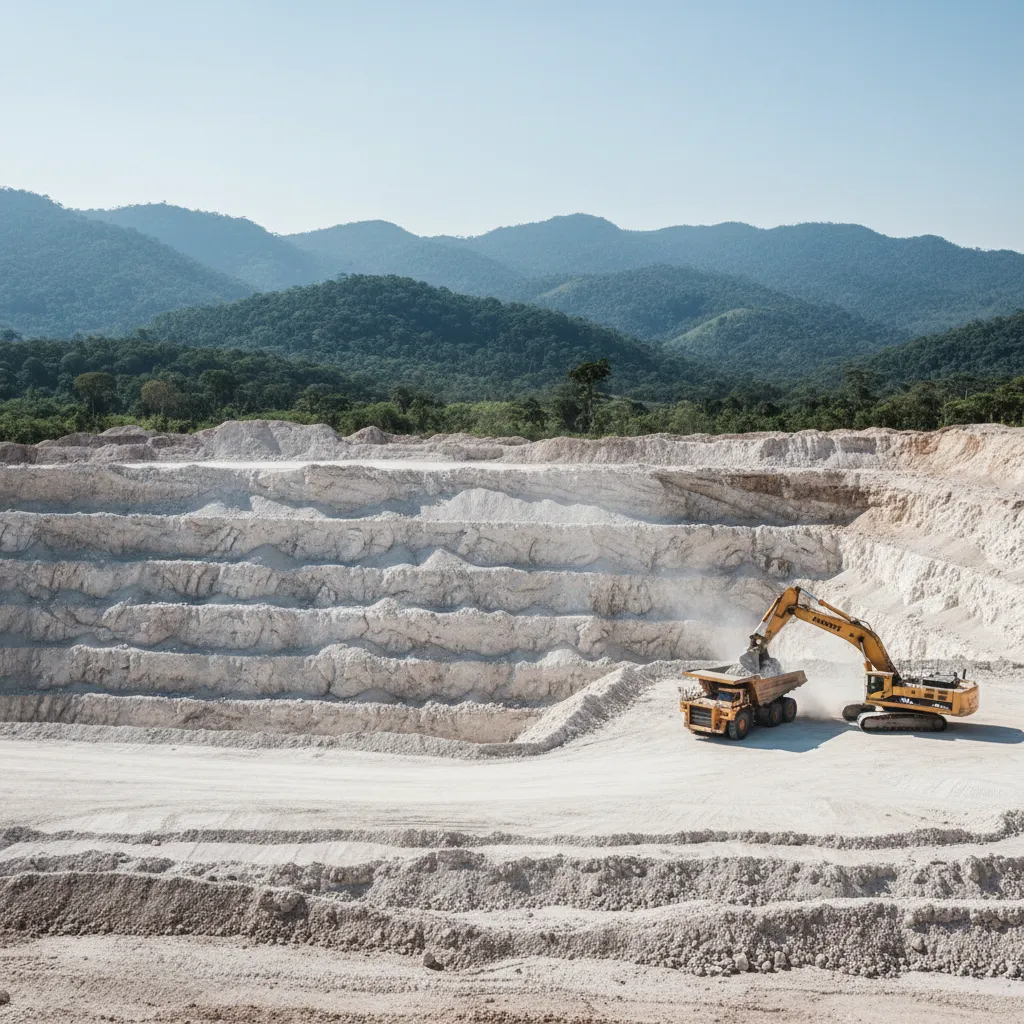
Why geographic diversification of hard-rock lithium supply is becoming strategic.
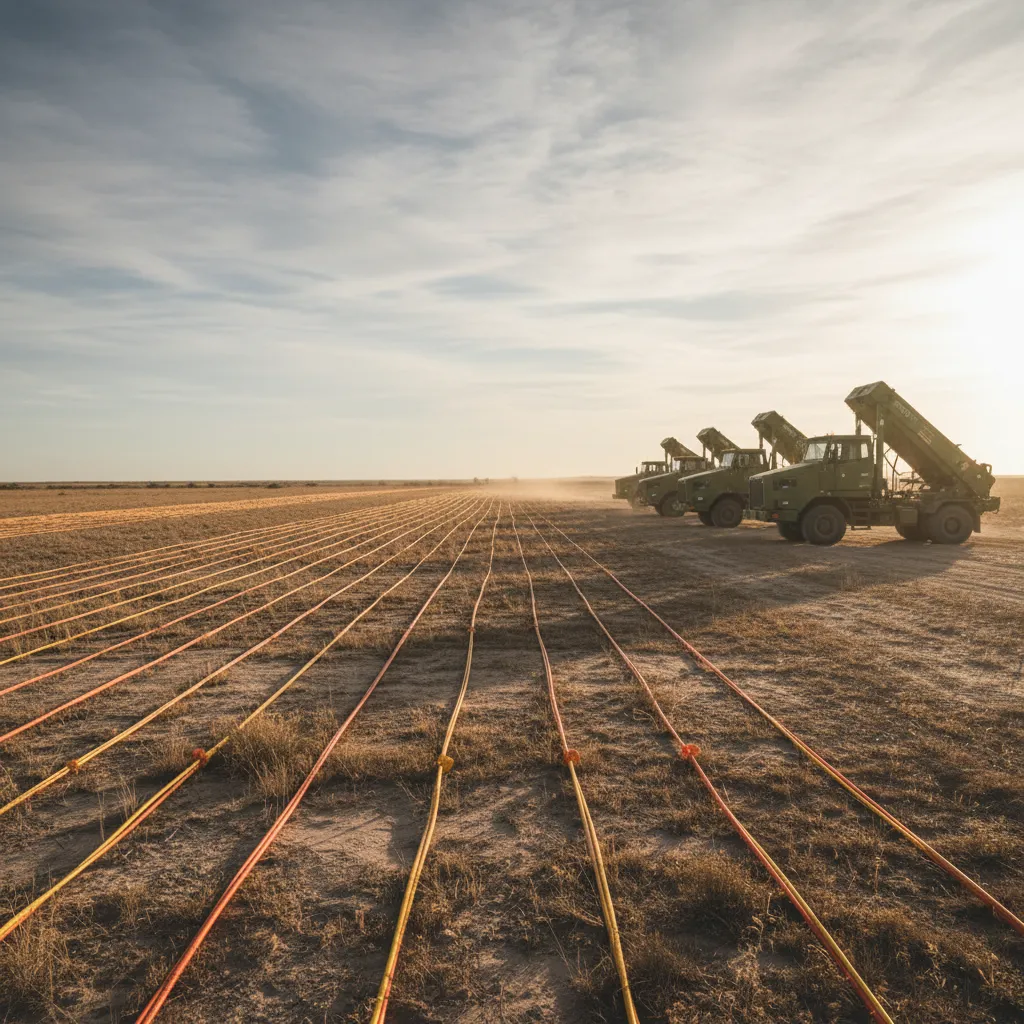
Why seismic-data acquisition is still a differentiator in modern E&P.
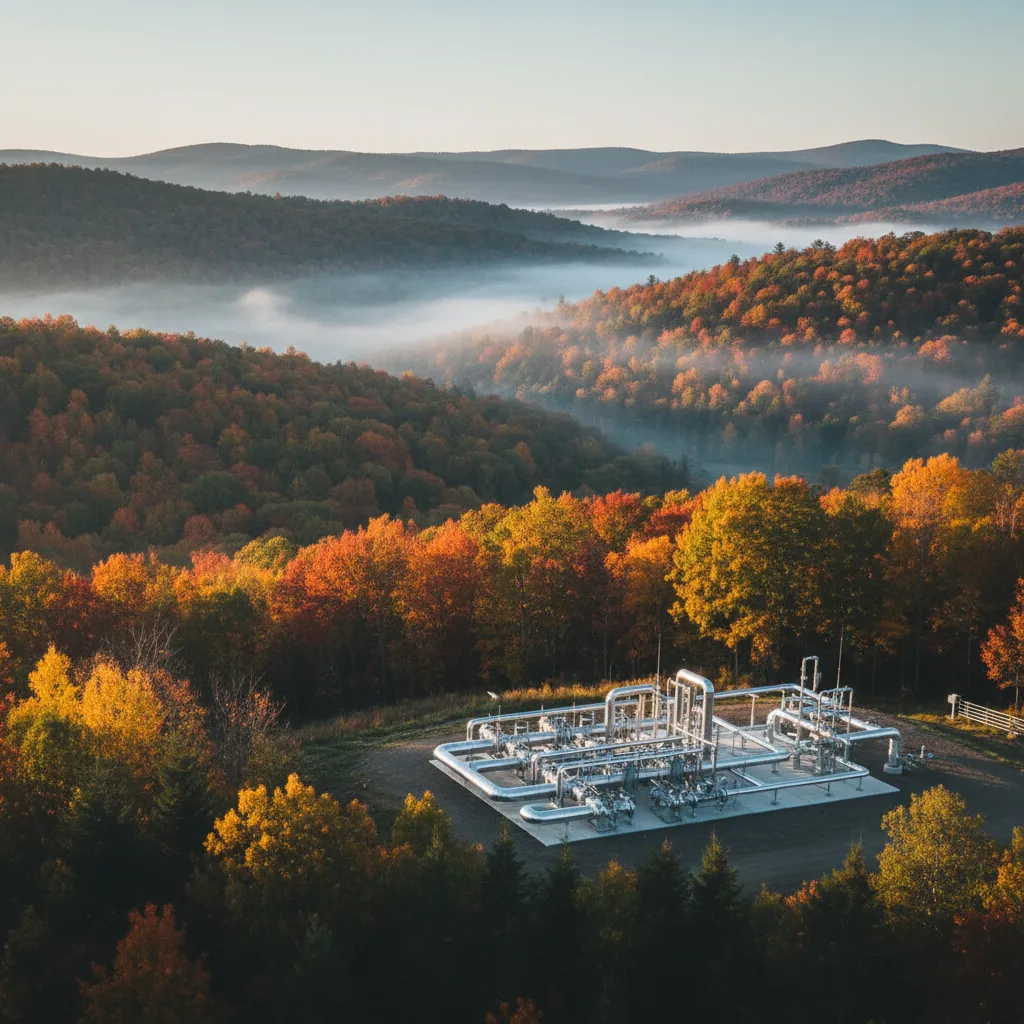
Why takeaway capacity is the quiet driver of Marcellus gas economics.
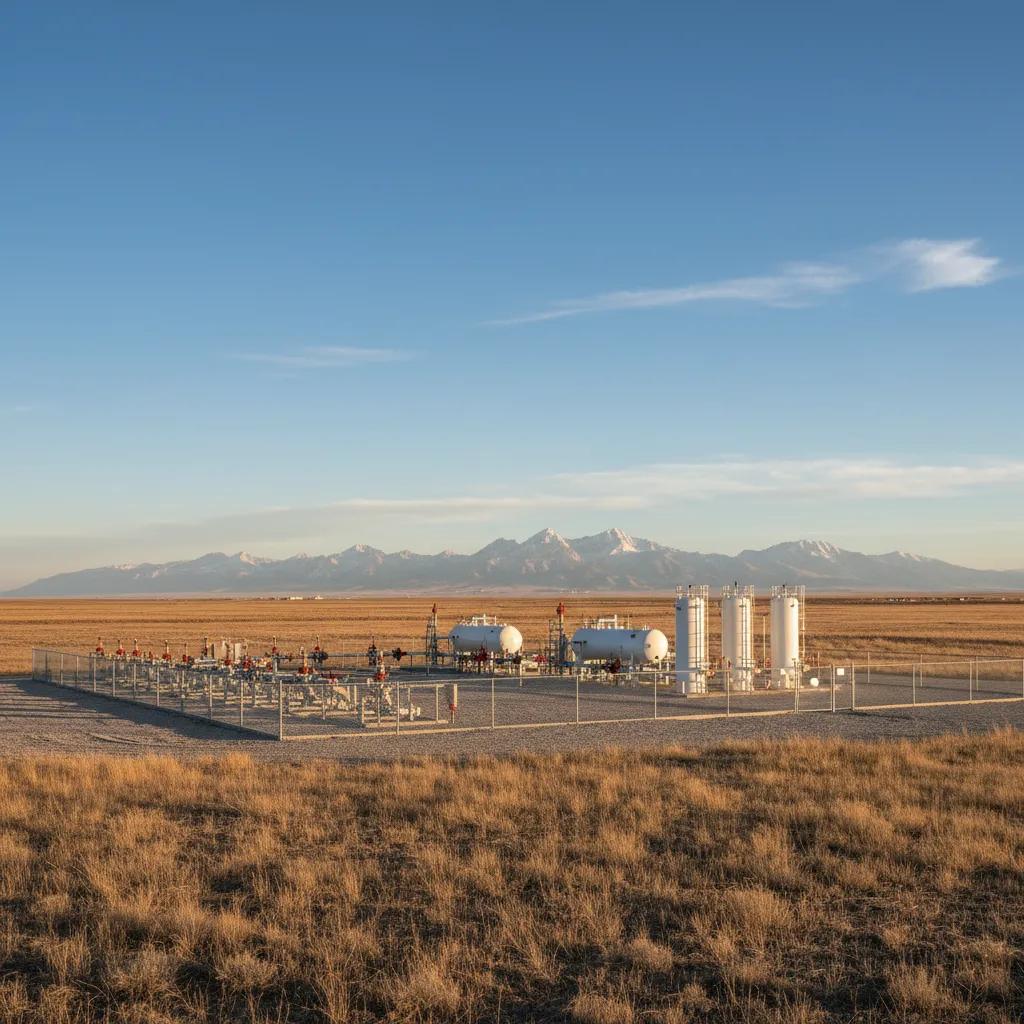
Why the Wattenberg field still matters in the modern DJ Basin cycle.
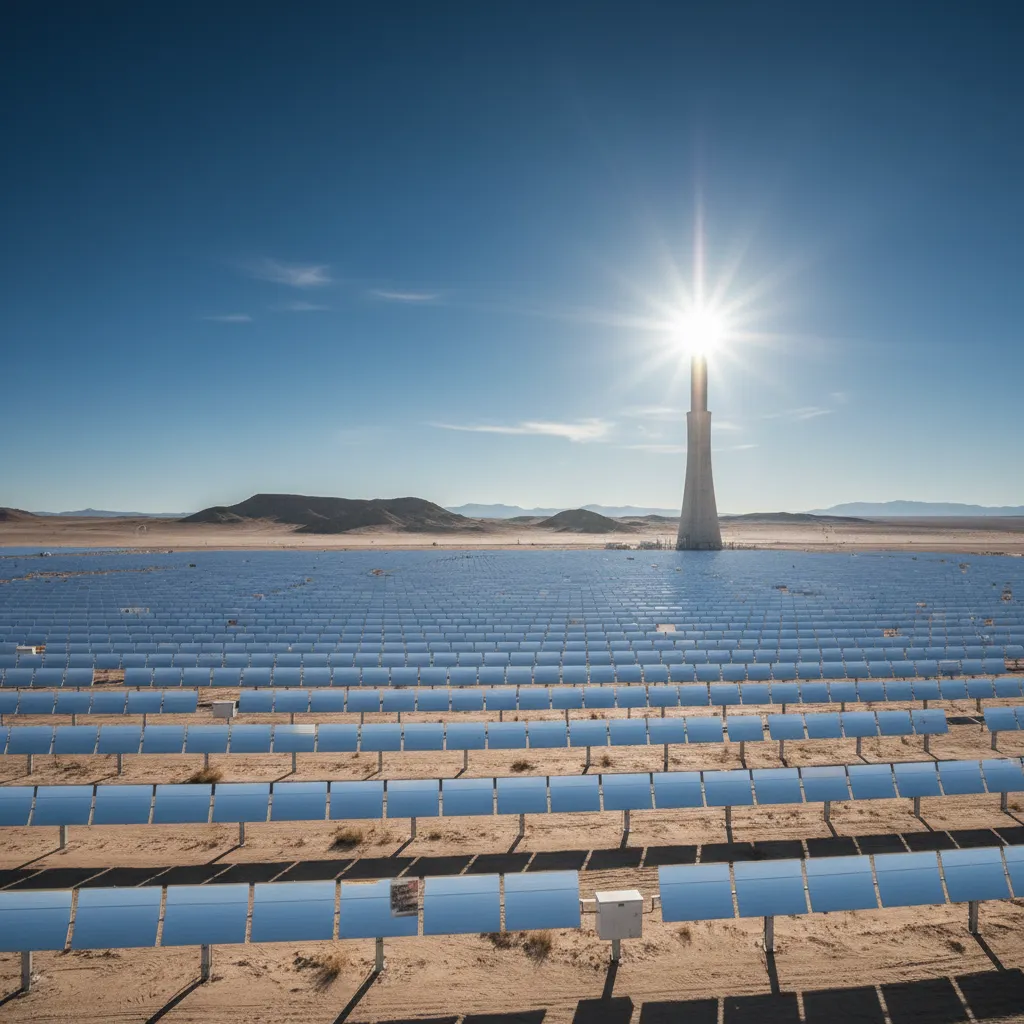
Industrial heat is the decarbonization frontier most investors overlook. Why it matters.
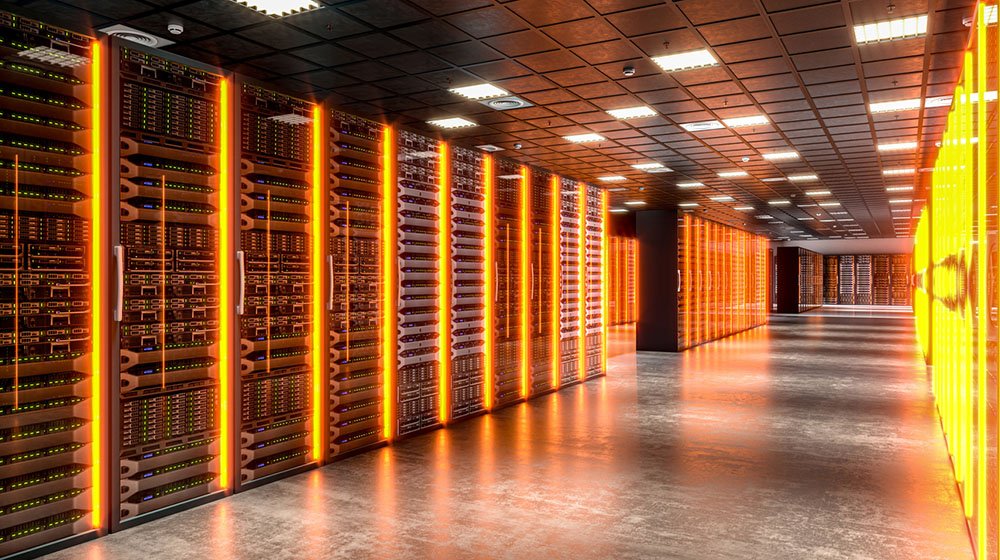
Dorothy acquisition completes the Texas stack. What comes next — hyperscaler co-location, GPU hosting, or a full sale — is the actual thesis.
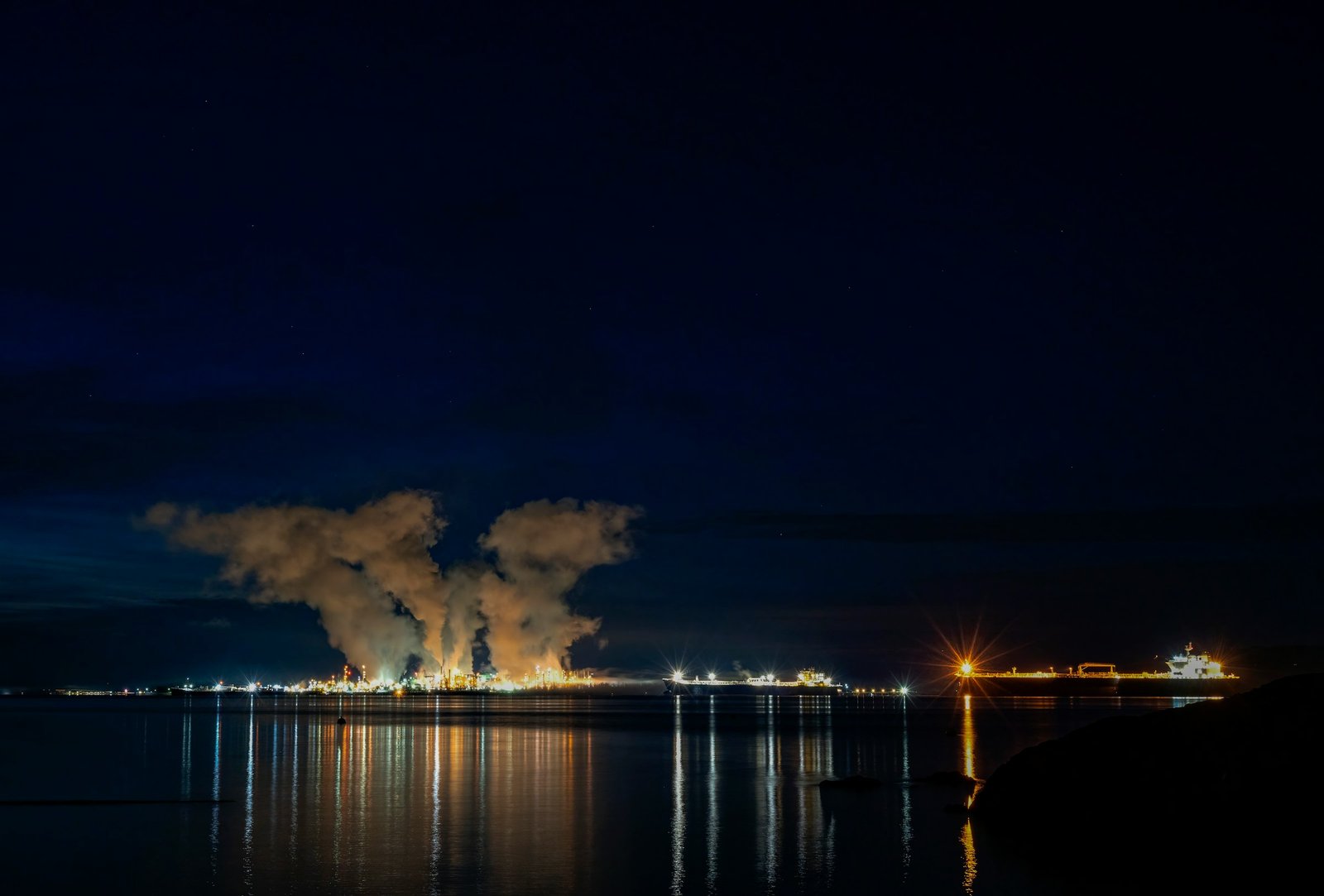
The legacy upstream is still there. The Montana helium-plus-CO₂ project is where the story's optionality actually lives.
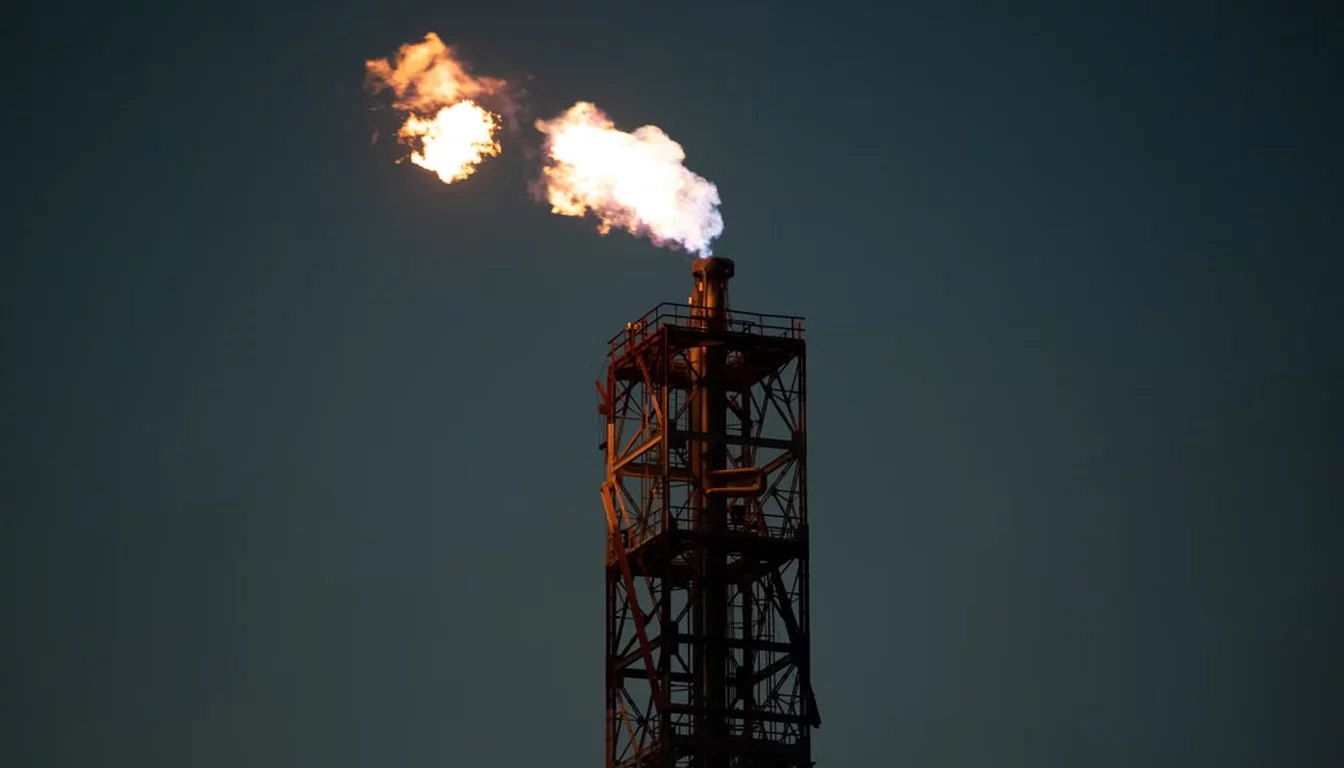
U.S. Energy reached a final investment decision on its Big Sky helium and carbon hub and signed a 5-year helium offtake.