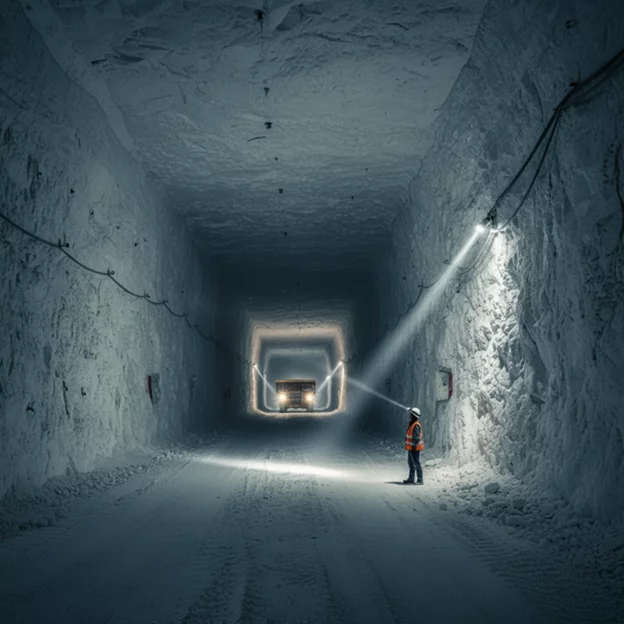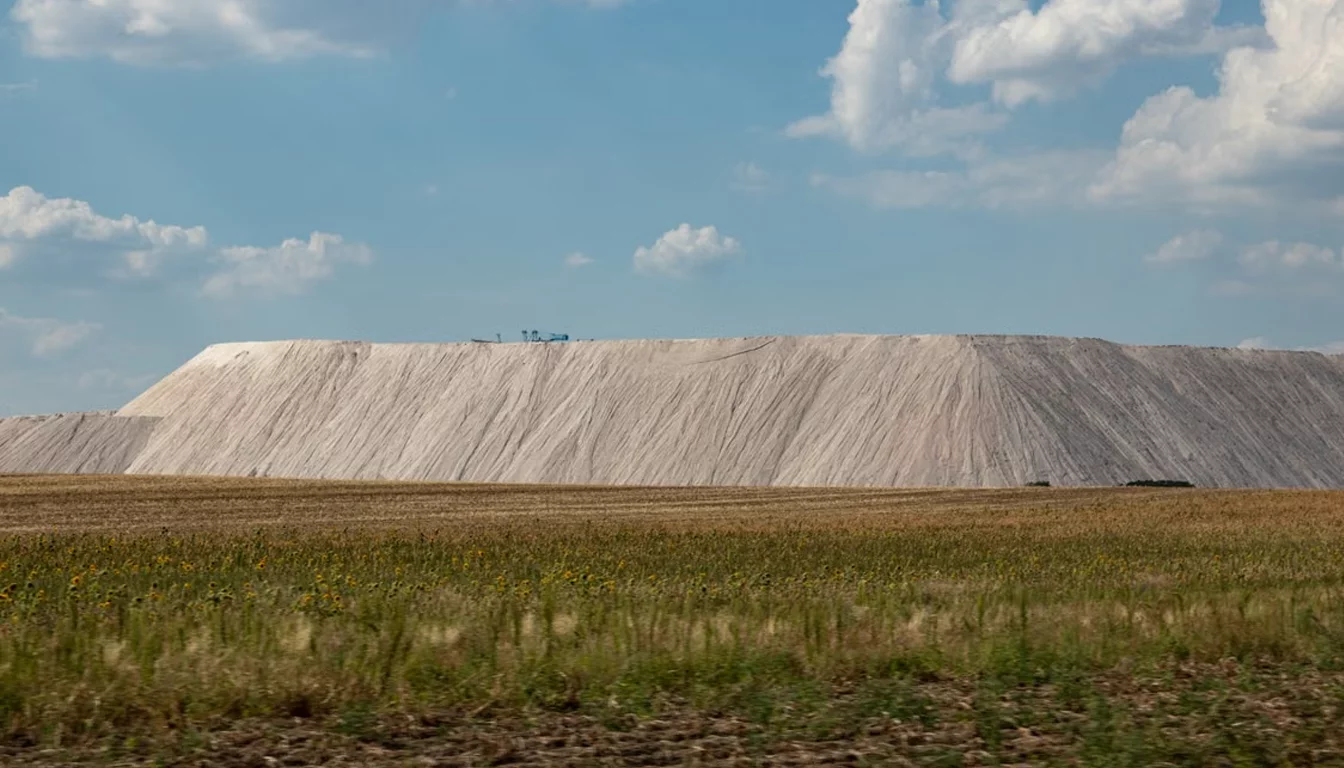
Atlas Salt is trying to build one of the few new underground salt mines in North America, and in 2026 it has been methodically clearing the path. On June 11 the company closed a C$15.15 million financing, upsized 50% from the C$10 million it initially announced on May 31 because demand was strong, with proceeds going to engineering, permitting, procurement planning, site preparation, and assembling the construction funding package. Ground clearing at the project site near St. George's, Newfoundland began in late February after provincial approval and a community and employment agreement, and an equipment supply arrangement with Sandvik Mining was expanded, with Sandvik indicating it may finance part of the equipment cost.
The prize behind all this is a feasibility study that stands up well. The updated study values the Great Atlantic Salt project at a C$920 million after-tax net present value, with a 21.3% post-tax internal rate of return, a 4.2-year payback, and a construction cost of about C$589 million. North America imports a large share of its road and industrial salt, so a domestic, low-cost source has a real strategic logic behind the numbers.
The gap between here and a mine
The C$15 million raise is enough to keep advancing engineering and early works, but it is not the money that builds the mine. That requires a project-financing package the company targets at roughly $350 to $400 million of senior secured debt, and it says it has received indications of interest from prospective lenders, vendor-financing counterparties, and strategic partners across multiple jurisdictions. Assembling several hundred million dollars of construction debt is the single hardest and most important step in a development story like this, and it is the one that has not closed yet. Everything to date has been de-risking toward that moment.
The other side
The bull case is that the economics are strong, the strategic rationale for domestic salt supply is sound, early works are underway with government and community support, and a major equipment partner may help finance. The bear case is that a pre-revenue developer needs to raise several hundred million dollars in a capital market that is not always kind to single-asset mining projects, that construction costs can inflate, and that the equity will keep needing capital until the debt package closes. Dilution and financing risk are the defining features of this stage.
- Strong economics. A C$920M after-tax NPV, 21.3% IRR, and 4.2-year payback in the updated feasibility study.
- Advancing on the ground. Upsized financing closed, early works underway, Sandvik potentially financing equipment.
- The big financing is unfunded. The project needs $350-400M of construction debt that has not closed.
- Dilution risk. A pre-revenue developer will keep needing capital until the debt package is in place.
What to watch
Progress toward closing the senior debt package, permitting and construction milestones at the site, and the pace of equity dilution in the meantime. The study is strong and the early works are real. The construction financing is the catalyst that matters most.
Disclosure
This article is independent editorial content and reflects the author's opinion and analysis as of the date of publication. It is not investment advice and should not be relied on as the basis for any investment decision. MicroCap Desk and its contributors received no compensation of any kind — cash, securities, or otherwise — from any company mentioned, or from any third party, in connection with this article. The author holds no position in any security mentioned. Information is drawn from sources believed reliable but is not guaranteed accurate or complete. Microcap securities carry a high risk of loss. Do your own research. See our full Disclosure.