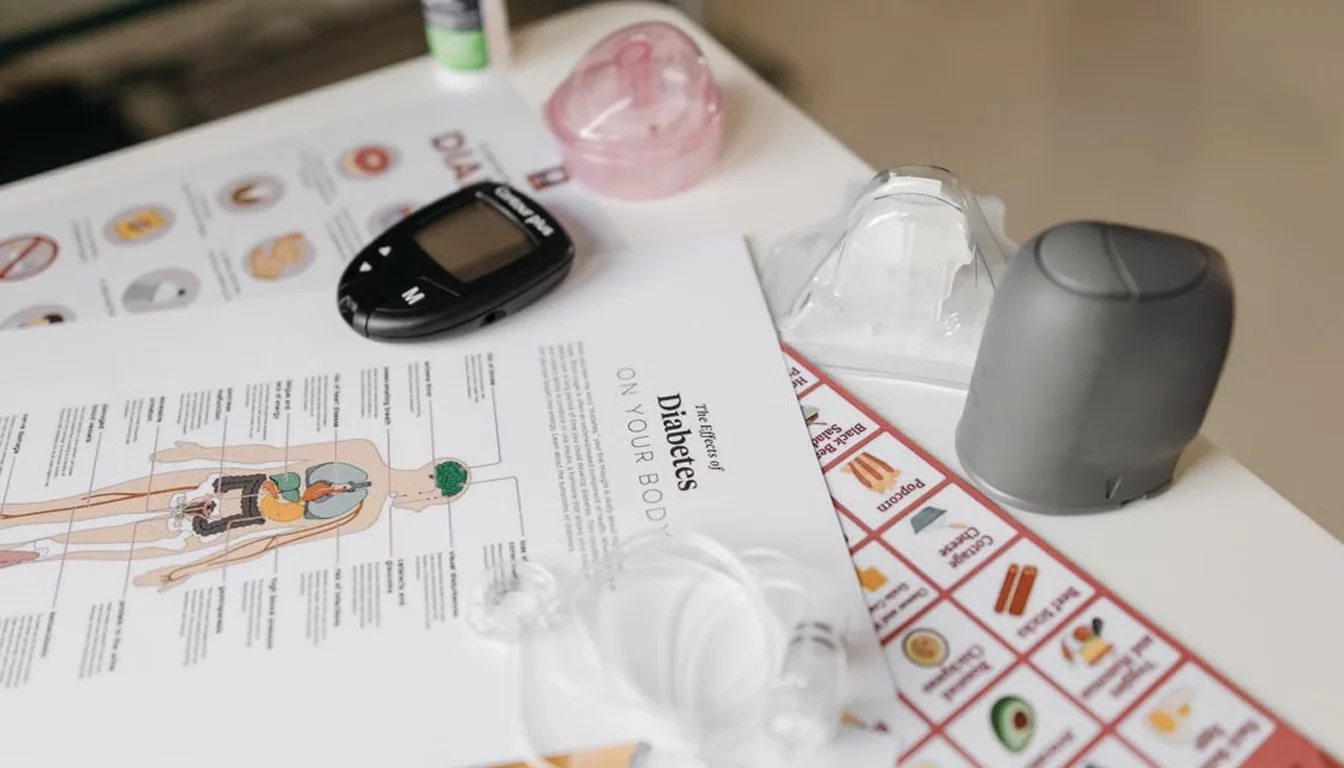
Biomea Fusion used the American Diabetes Association's 86th Scientific Sessions in June to make its case that its lead molecule is doing something real in metabolic disease. The company presented new clinical and translational data for icovamenib, its covalent menin inhibitor. In the Phase 2 COVALENT-112 trial in type 1 diabetes, patients on the 200mg dose showed a 52% increase from baseline in mean C-peptide area-under-curve at week 12, alongside improvements in HbA1c and no evidence of immune activation. C-peptide is a marker of the body's own insulin production, so an increase points to preserved or restored beta-cell function, which is the holy grail in type 1 diabetes.
At the same meeting, Biomea expanded the ongoing Phase 1 study of BMF-650, its oral GLP-1 receptor agonist for obesity, which in preclinical work produced roughly 12 to 15% weight loss and has shown a favorable safety profile across completed cohorts with no dose-limiting toxicities. Initial 28-day clinical weight-reduction data from that study is anticipated in the third quarter of 2026.
Why the rating stays Neutral
The diabetes data is genuinely encouraging, and a menin inhibitor that preserves beta-cell function would be differentiated. But the event that actually determines this stock's near-term direction is the BMF-650 obesity readout in the third quarter, and that data does not yet exist. Obesity is the most competitive and highest-value therapeutic category in the market, dominated by injectable GLP-1s, and an oral candidate has to show both meaningful weight loss and a clean tolerability profile to matter. Until that 28-day data lands, the honest position is to acknowledge the encouraging diabetes signal without pricing in an obesity win that has not happened.
The other side
The bull case is that Biomea has two credible metabolic programs with catalysts stacked through the second half of 2026, and that even a modest oral weight-loss signal would be commercially significant. The bear case is that this is a clinical-stage biotech with binary readouts, competing in categories dominated by far larger players, and that early data can look good and still fail to separate in larger trials. The type 2 diabetes topline from COVALENT-211 and 212 is also expected in the fourth quarter, adding another binary event.
- Encouraging diabetes data. A 52% C-peptide increase in type 1 diabetes points to preserved beta-cell function.
- Obesity data still pending. The BMF-650 28-day readout in Q3 is the event that moves the stock, and it is not out yet.
- Brutal competition. Obesity is dominated by injectable GLP-1s; an oral entrant has a high bar to clear.
- Binary and clinical-stage. Multiple readouts through year-end, each of which can go either way.
What to watch
The BMF-650 obesity readout in the third quarter, the type 2 diabetes topline in the fourth, and cash runway across both. The diabetes story is building. The obesity number is the one to wait for.
All coverage Biomea FusionBMEADisclosure
This article is independent editorial content and reflects the author's opinion and analysis as of the date of publication. It is not investment advice and should not be relied on as the basis for any investment decision. MicroCap Desk and its contributors received no compensation of any kind — cash, securities, or otherwise — from any company mentioned, or from any third party, in connection with this article. The author holds no position in any security mentioned. Information is drawn from sources believed reliable but is not guaranteed accurate or complete. Microcap securities carry a high risk of loss. Do your own research. See our full Disclosure.