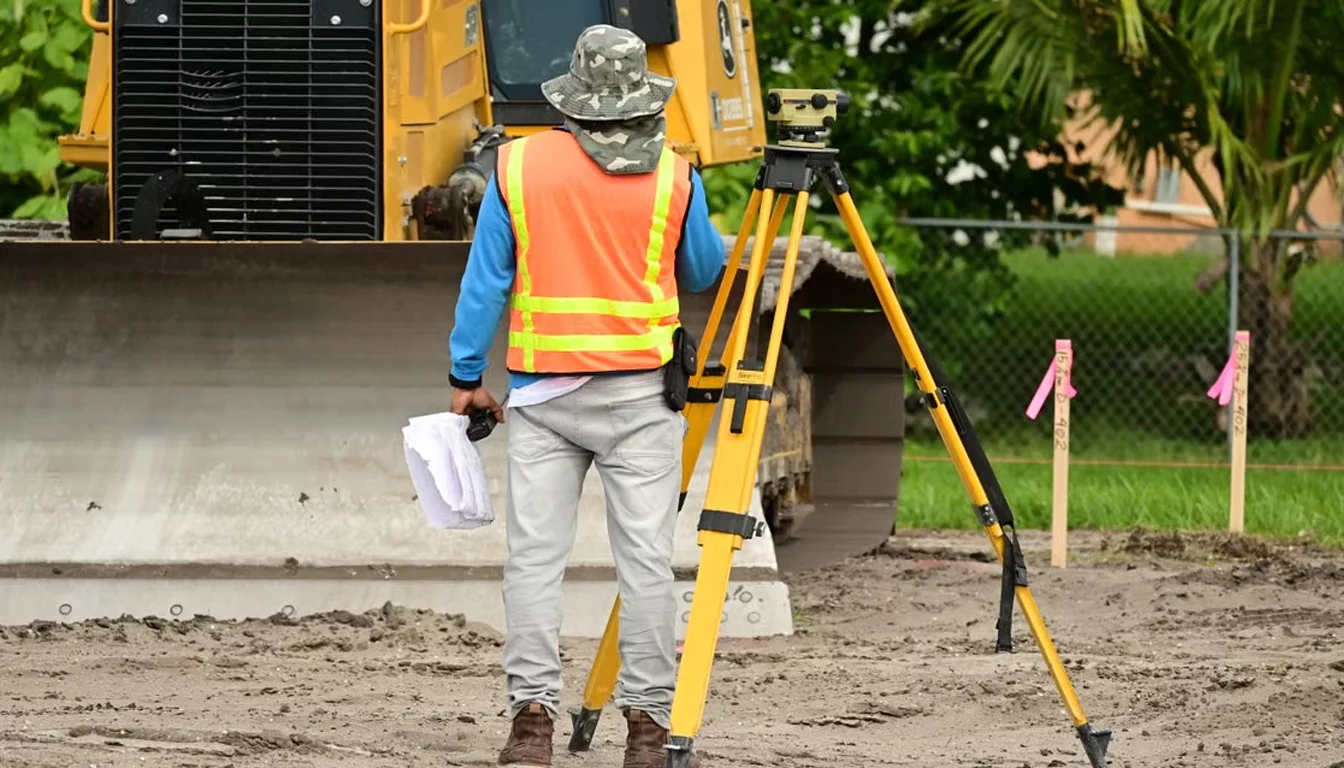
Dawson Geophysical, one of the last independent onshore seismic-data acquisition companies, is quietly stabilizing. In the first quarter of 2026 it reported working capital of about positive $0.4 million, a real swing from a roughly $5 million deficit at the end of 2025, and a cash position of around $1.4 million. After receiving its final delivery of single-node channels at the start of the year, it deployed three additional crews with legacy equipment, and high equipment utilization drove meaningful growth in revenue and net income.
The more interesting part is the demand mix. Beyond traditional oil-and-gas seismic, Dawson is seeing activity from non-traditional sources: geothermal exploration, seismic monitoring for carbon capture, utilization, and storage, and other rare-minerals work. Those adjacencies matter because they broaden the customer base beyond the boom-and-bust oil-and-gas seismic market that has defined the company's history. The board approved a modest $3 million capital budget for 2026, signaling discipline rather than expansion.
Why it is only a Neutral
The turnaround is real but small, and the balance sheet is thin. Cash of about $1.4 million leaves little margin for error, and a seismic-services company remains fundamentally cyclical, dependent on capital budgets it does not control. The CCUS and geothermal demand is a genuine positive that diversifies the story, but it is early and not yet large enough to redefine the business. Dawson has stopped the bleeding and is utilizing its fleet well, which is meaningful after a hard stretch, but that is stabilization, not yet growth worth chasing.
The other side
The bull case is that Dawson is a survivor in a consolidated niche, that high fleet utilization plus new CCUS and geothermal demand could sustain the recovery, and that a lean cost structure lets modest revenue drop through. The bear case is that seismic services is a low-margin, cyclical business with a thin balance sheet, that legacy equipment eventually needs reinvestment, and that a couple of soft quarters could quickly erase a $0.4 million working-capital cushion. It is a stabilizing micro-cap, not a re-rating story.
- Balance sheet stabilized. Working capital swung to positive from a ~$5M deficit, with crews deployed and high utilization.
- New demand sources. CCUS, geothermal, and rare-minerals seismic broaden the customer base.
- Thin cushion. ~$1.4M cash leaves little room for a soft stretch.
- Cyclical, low-margin niche. Seismic services depends on capital budgets Dawson does not control.
What to watch
Whether fleet utilization and the working-capital improvement hold, the scale of CCUS and geothermal demand, and cash. Dawson has stabilized. Turning stabilization into durable profitability is the next, harder step.
All coverage Dawson GeophysicalDWSNDisclosure
This article is independent editorial content and reflects the author's opinion and analysis as of the date of publication. It is not investment advice and should not be relied on as the basis for any investment decision. MicroCap Desk and its contributors received no compensation of any kind — cash, securities, or otherwise — from any company mentioned, or from any third party, in connection with this article. The author holds no position in any security mentioned. Information is drawn from sources believed reliable but is not guaranteed accurate or complete. Microcap securities carry a high risk of loss. Do your own research. See our full Disclosure.