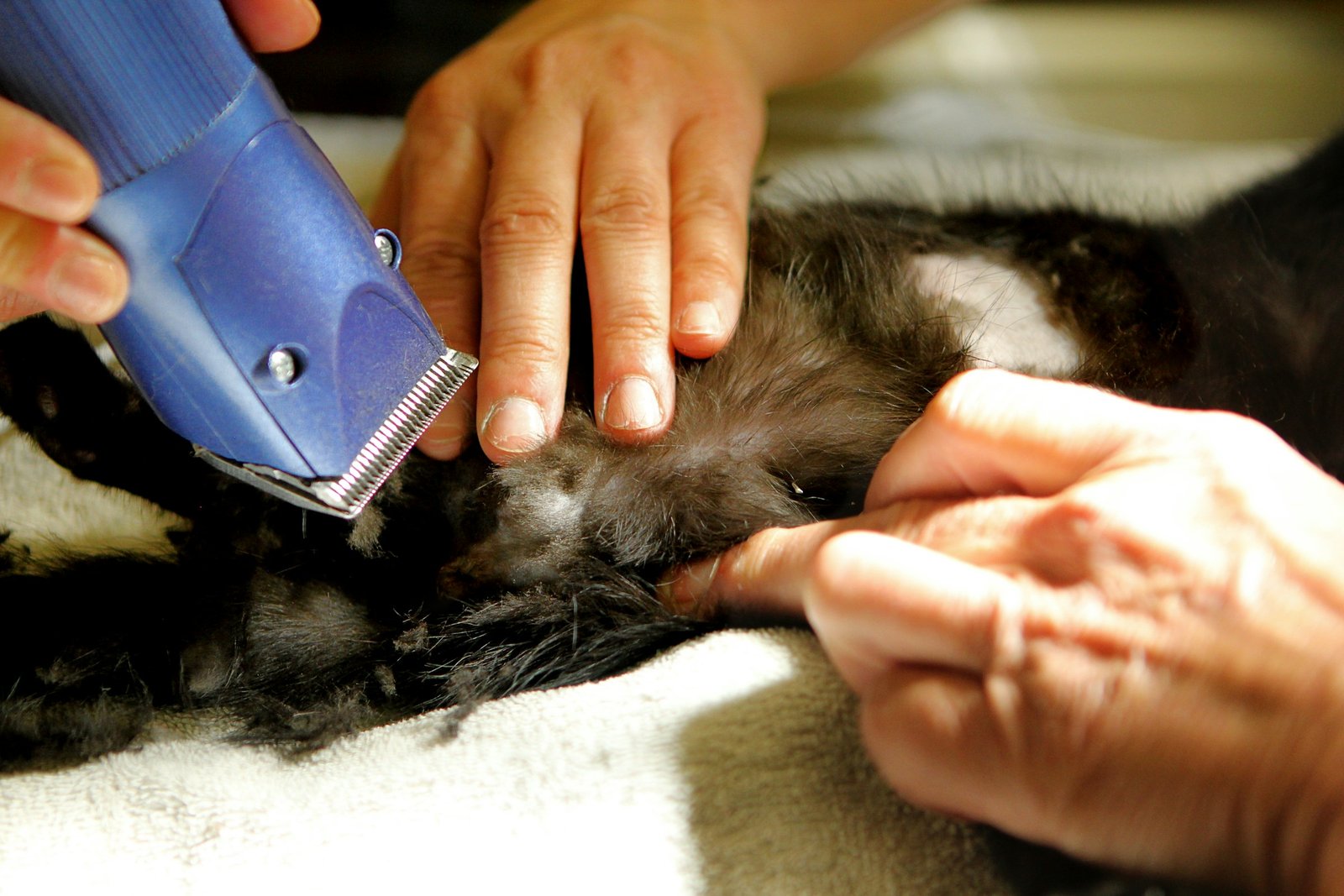
Jaguar Health spent the better part of the last three years working out of the shadow cast by its human-GI franchise. The April update — an animal-health program for crofelemer in canine chemotherapy-induced diarrhea — is not a pivot away from that franchise; it is an attempt to demonstrate that the active molecule has application beyond the human label that currently dominates the revenue line. That matters because the company has long argued crofelemer is a platform, and the veterinary program is the first real opportunity to test that claim with a controlled clinical dataset.
The scientific logic is straightforward. Crofelemer's mechanism — chloride-channel modulation in the GI tract — ports directly to dogs undergoing cytotoxic chemotherapy, where chemotherapy-induced diarrhea is both common and a meaningful driver of quality-of-life and treatment-completion issues. Veterinary oncology is a growing category by both revenue and clinical sophistication. The thesis is coherent.
The two businesses are not the same business
- Specialty-pharmacy distribution model
- Premium pricing supported by orphan / supportive-care positioning
- Third-party payor reimbursement (PBMs, Medicare Part D)
- Medical-specialist sales coverage (oncology, GI)
- Revenue recognition net of gross-to-net adjustments
- Distributor-led channel to veterinary hospitals and clinics
- Out-of-pocket pricing tolerance — consumer-pay, not insurer-pay
- Pet insurance coverage expanding but still minority of spend
- Would require a veterinary-oncology sales footprint Jaguar does not currently have
- Cleaner revenue recognition, lower gross-to-net friction
What the trial is actually measuring
The study design evaluates crofelemer against a control in dogs receiving standardized chemotherapy regimens, with diarrhea severity and duration as the core endpoints. These are endpoints the veterinary regulatory framework accepts, and they are endpoints where crofelemer's mechanism gives it a reasonable prior expectation of showing benefit. What the trial cannot settle is the commercial question — the pricing power, distribution, and eventual prescription footprint of a veterinary product from a company whose entire commercial infrastructure to date has been oriented to human specialty pharmacy.
Why neutral, rather than bullish
Three reasons the desk is neutral on this for the moment.
- Veterinary monetization is not human specialty monetization. The pricing and distribution economics of veterinary oncology products look different from human oncology products. Margins can still be attractive, but per-unit economics and the addressable prescribing base need to be modeled separately from the human franchise.
- The human franchise's health remains the primary stock driver in the near term. The veterinary program, even with a successful readout, is a 2027-and-beyond revenue contributor. 2026 stock moves come from the human business.
- The balance sheet is not the cleanest in the sector. Jaguar has historically run thin. The combination of two simultaneous development tracks and a human commercial business at scale is a lot of moving parts on a small equity base. The trial itself is not unusually expensive; the surrounding corporate context adds variance.
Three ways this resolves
The bottom line
The trial itself is a good use of resources. The science is coherent. The stock does not reprice on trial initiation alone — it reprices on readout plus commercial-path clarity, and both of those are still ahead. Neutral is the accurate read until one of the two upside-catalyst paths activates.
All coverage Jaguar HealthJAGXDisclosure
This article is independent editorial content and reflects the author's opinion and analysis as of the date of publication. It is not investment advice and should not be relied on as the basis for any investment decision. MicroCap Desk and its contributors received no compensation of any kind — cash, securities, or otherwise — from any company mentioned, or from any third party, in connection with this article. The author holds no position in any security mentioned. Information is drawn from sources believed reliable but is not guaranteed accurate or complete. Microcap securities carry a high risk of loss. Do your own research. See our full Disclosure.