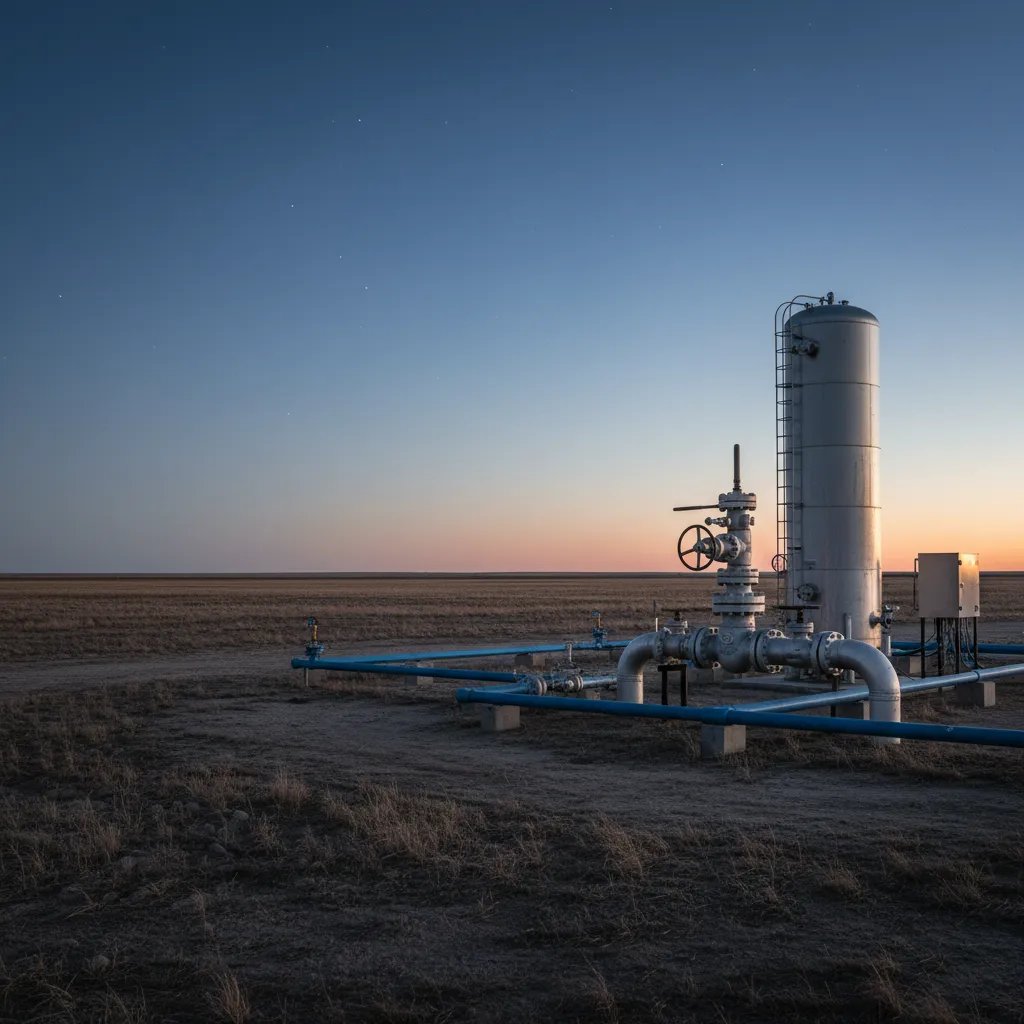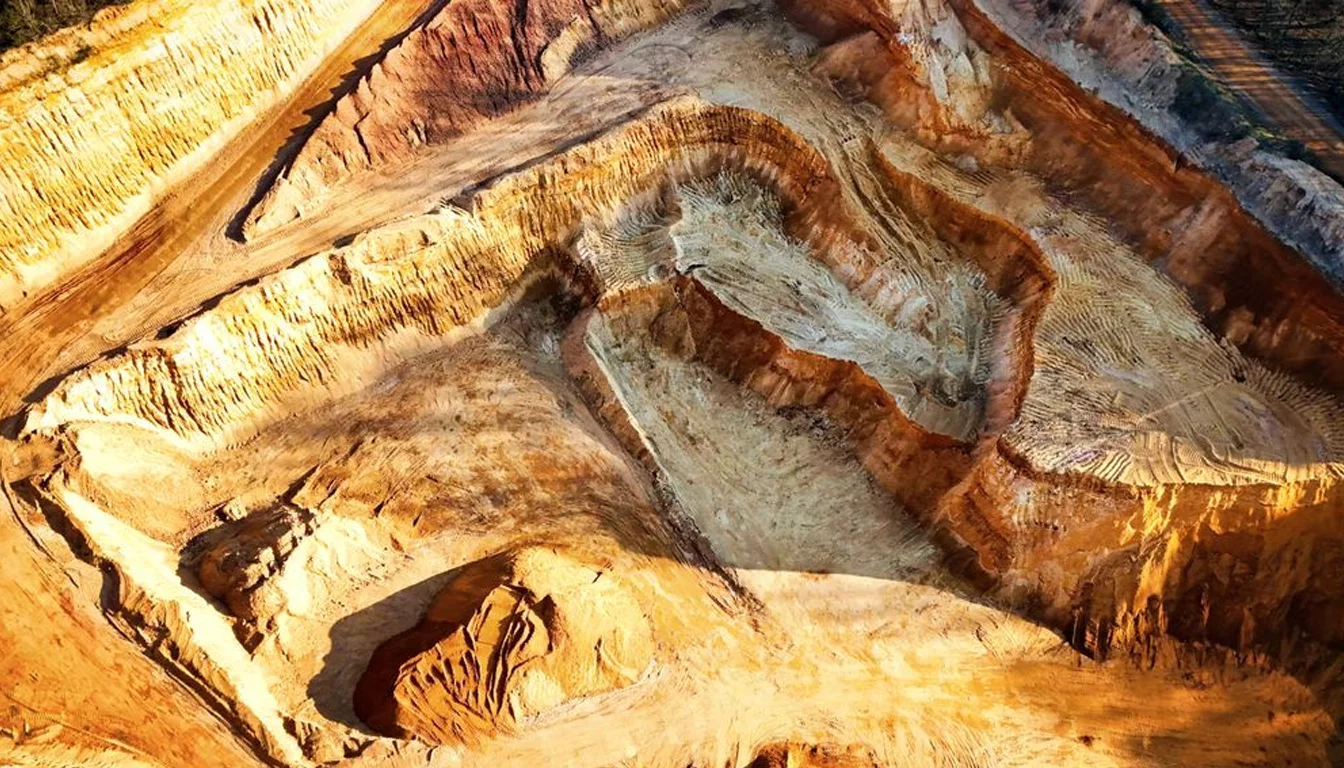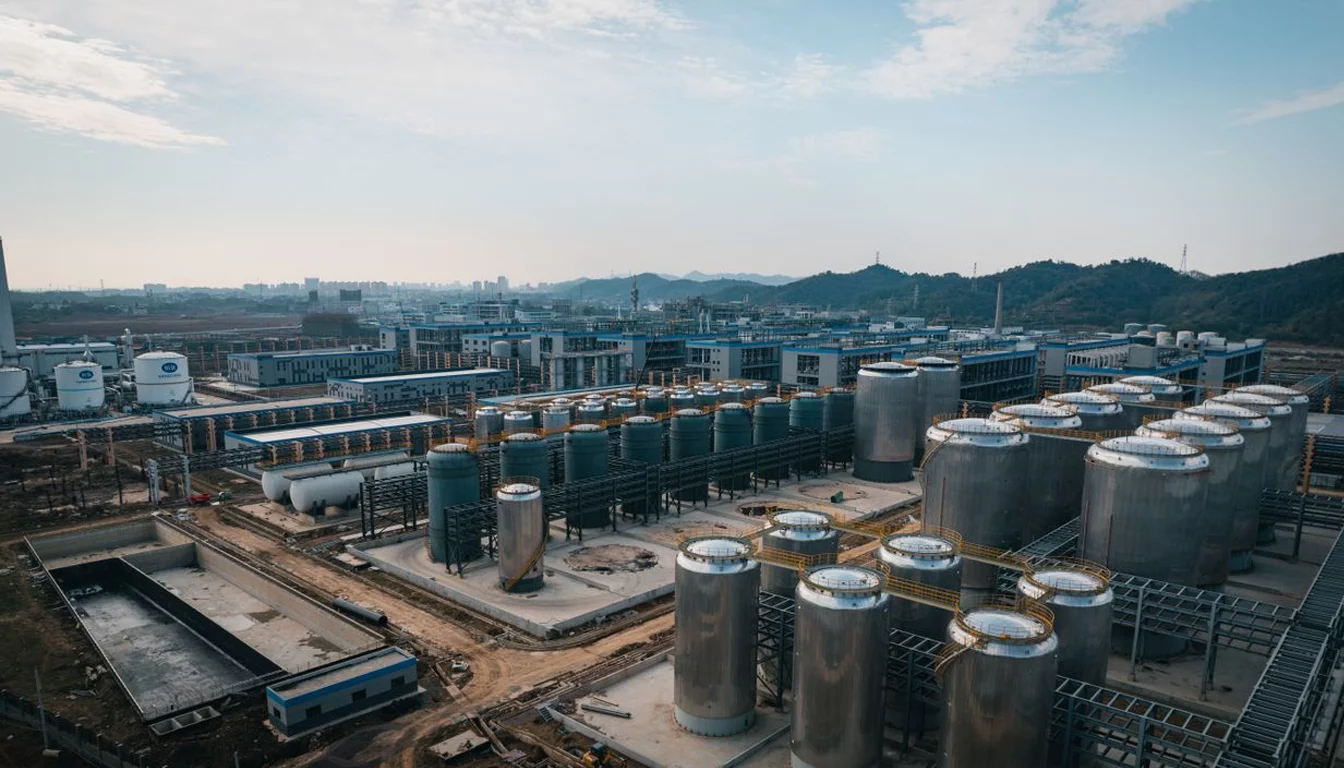
Max Power Mining is chasing something almost no company has commercialized: naturally occurring, or geologic, hydrogen. Earlier in 2026 the company said it confirmed Canada's first subsurface natural hydrogen system at its Lawson well near Central Butte, Saskatchewan. Then on June 30 it reported that an independent petrophysical evaluation by GLJ Ltd. identified multiple prospective natural hydrogen and helium zones at its Bracken well, about 325 kilometers away, which the company frames as evidence of basin-scale continuity. Notably, core tests found helium values as high as 8.7% and averaging 4.4% in zones above the hydrogen discovery, adding a second, already-commercial resource to the story. In July, a drilling rig was mobilized to the Lawson complex to begin a multi-well commercial validation program.
The reason this is interesting is that natural hydrogen, if it can be produced economically, would be a genuinely low-cost, low-carbon source of a molecule the world is spending enormous sums to make industrially. A basin that also carries commercial-grade helium would have two revenue streams from the same wells. If any of that proves out, the addressable prize is very large.
Why the rating is Neutral, not Bull
The honest framing here is that this is an exploration company, and exploration is where the widest gap between potential and proof lives. Confirming the presence of natural hydrogen and helium is a real milestone, but it is a long way from demonstrating flow rates, reserves, and economics that make a commercial project. Max Power generates no revenue from this, funds itself by issuing stock, and is drilling into a resource category that has essentially no established commercial template. The upside is genuinely large, and so is the probability that it takes far longer, costs far more, or works out far smaller than the early enthusiasm implies. That is the definition of speculative, and Neutral is the responsible rating for it.
The other side
The bull case writes itself: a first-mover in a potentially enormous new resource, with commercial-grade helium as a bridge revenue source and drilling underway to prove it. The bear case is equally clear: no revenue, continuous dilution to fund exploration, an unproven commercial model, and a valuation that runs on discovery headlines rather than cash flow. This is a name to size like the lottery ticket it is, not like a producing resource company. It also trades on the CSE and over the counter, which adds liquidity and disclosure considerations.
- Genuine frontier potential. Basin-scale natural hydrogen indications plus commercial-grade helium, now entering validation drilling.
- Exploration-stage, no revenue. Presence is not production; flow rates, reserves, and economics are unproven.
- Dilution-funded. The program is paid for by issuing stock, and headlines drive the valuation.
- Speculative and foreign-listed. Trades on the CSE and over the counter; size it as speculation.
What to watch
Results from the commercial validation drill program, any flow-rate or resource data, and the pace of share issuance funding it. The discovery is real and novel. Whether it is commercial is the entire question, and drilling is how it gets answered.
Disclosure
This article is independent editorial content and reflects the author's opinion and analysis as of the date of publication. It is not investment advice and should not be relied on as the basis for any investment decision. MicroCap Desk and its contributors received no compensation of any kind — cash, securities, or otherwise — from any company mentioned, or from any third party, in connection with this article. The author holds no position in any security mentioned. Information is drawn from sources believed reliable but is not guaranteed accurate or complete. Microcap securities carry a high risk of loss. Do your own research. See our full Disclosure.