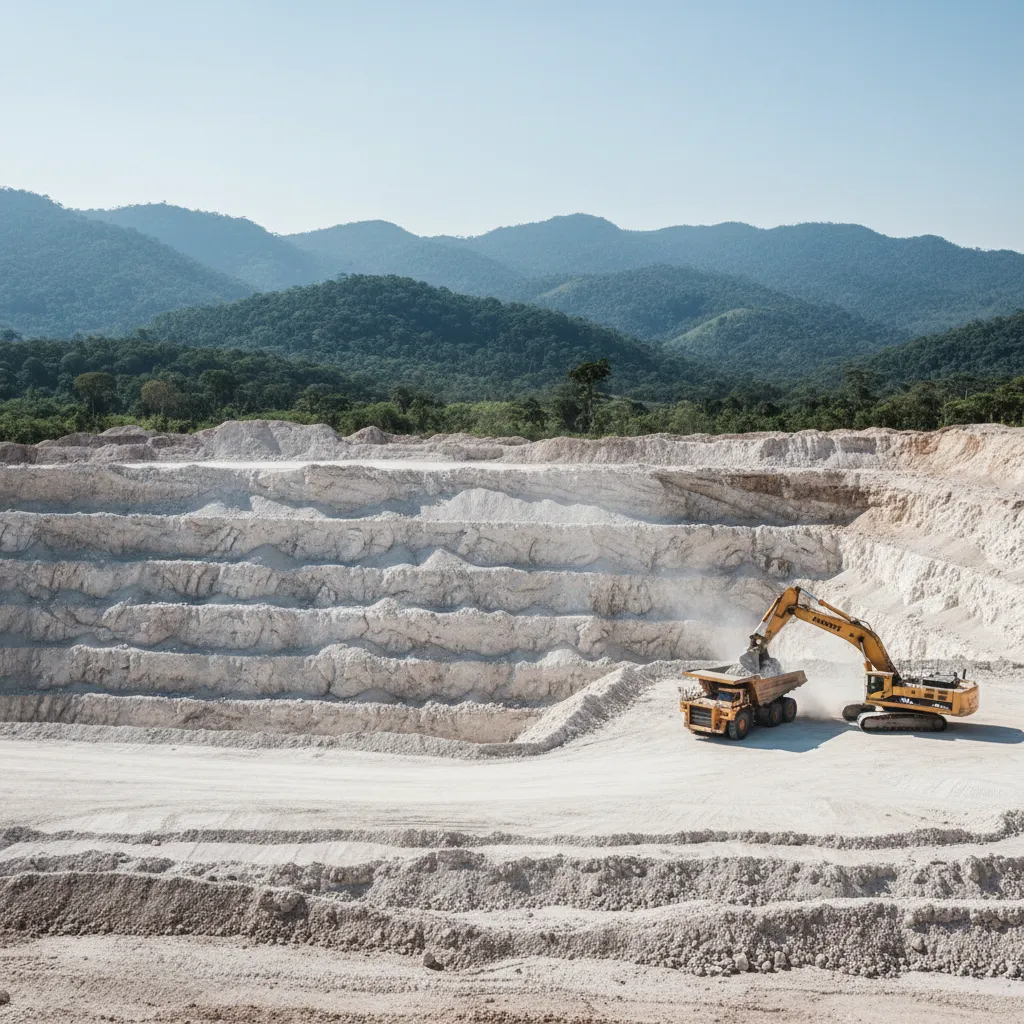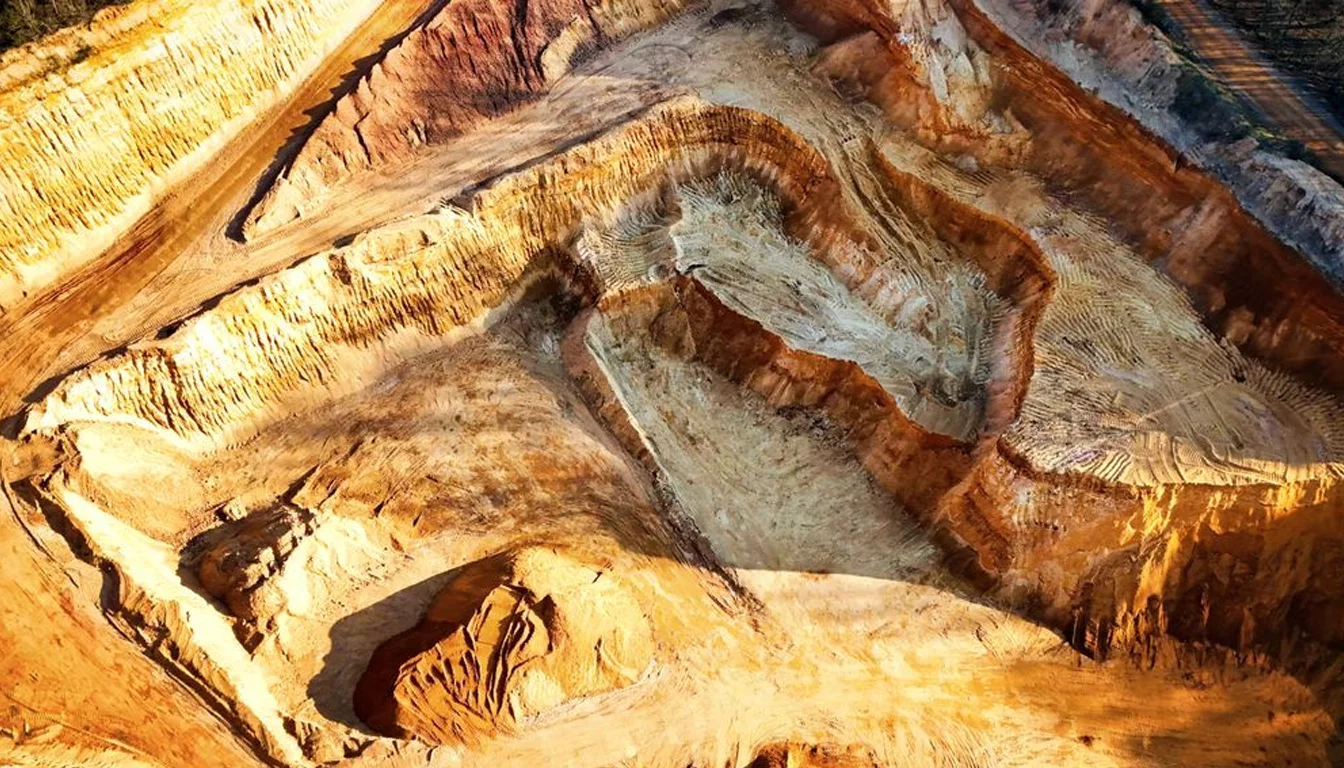
Atlas Lithium keeps checking boxes on the path from lithium developer to lithium producer. The company received the expansion permit for its 100%-owned Neves project in Minas Gerais, Brazil, enabling it to advance in line with its definitive feasibility study. That study is the reason to pay attention: it models annual production of roughly 146,000 tonnes of lithium concentrate with an after-tax internal rate of return of about 145%, an 11-month payback, and an after-tax net present value near $539 million, even under conservative price assumptions.
Crucially, Atlas is not starting from scratch on the hard parts. Its modular dense-media-separation processing plant has already been delivered to Brazil and is ready for assembly, which removes a common source of delay and cost overrun. The company has a $30 million equity investment from Mitsui and offtake agreements with heavyweight counterparties including Mitsui, Chengxin, and Yahua, giving it both capital and contracted buyers before first production.
Why the DMS plant and offtakes matter
Junior miners fail in the gap between a good feasibility study and actual production, usually on financing, permitting, or construction. Atlas has de-risked several of those. The processing plant is physically in country and ready to assemble. Permitting just advanced. Offtake is contracted with major trading houses, and Mitsui has put equity in. That combination is what separates a credible near-term developer from a perpetual pre-production story. The remaining catalysts are the final investment decision, plant commissioning, and first concentrate, targeted for the 2026 to 2027 window.
The other side
The caveats are real. Feasibility economics are modeled, not realized, and they are sensitive to lithium prices that have been volatile and, at times, deeply depressed. Atlas posted a larger loss in the first quarter as it spends to advance the project, and reaching production still requires a final investment decision and the capital behind it. Lithium is a commodity, and even a low-cost, high-IRR project earns commodity-cycle returns once it is running. The stock will move with lithium sentiment regardless of how good the Neves study looks.
- Strong modeled economics. A ~145% after-tax IRR and ~11-month payback in the definitive feasibility study.
- De-risked build. Processing plant delivered, permit granted, Mitsui equity in, offtakes signed.
- Still pre-production. Final investment decision, commissioning, and first concentrate are ahead.
- Lithium price risk. Modeled returns depend on a volatile commodity; the stock trades with lithium sentiment.
What to watch
The final investment decision, plant assembly and commissioning, first concentrate production, and lithium prices. The study is excellent and the build is unusually de-risked for a junior. Execution and the commodity cycle are what remain.
All coverage Atlas LithiumATLXDisclosure
This article is independent editorial content and reflects the author's opinion and analysis as of the date of publication. It is not investment advice and should not be relied on as the basis for any investment decision. MicroCap Desk and its contributors received no compensation of any kind — cash, securities, or otherwise — from any company mentioned, or from any third party, in connection with this article. The author holds no position in any security mentioned. Information is drawn from sources believed reliable but is not guaranteed accurate or complete. Microcap securities carry a high risk of loss. Do your own research. See our full Disclosure.