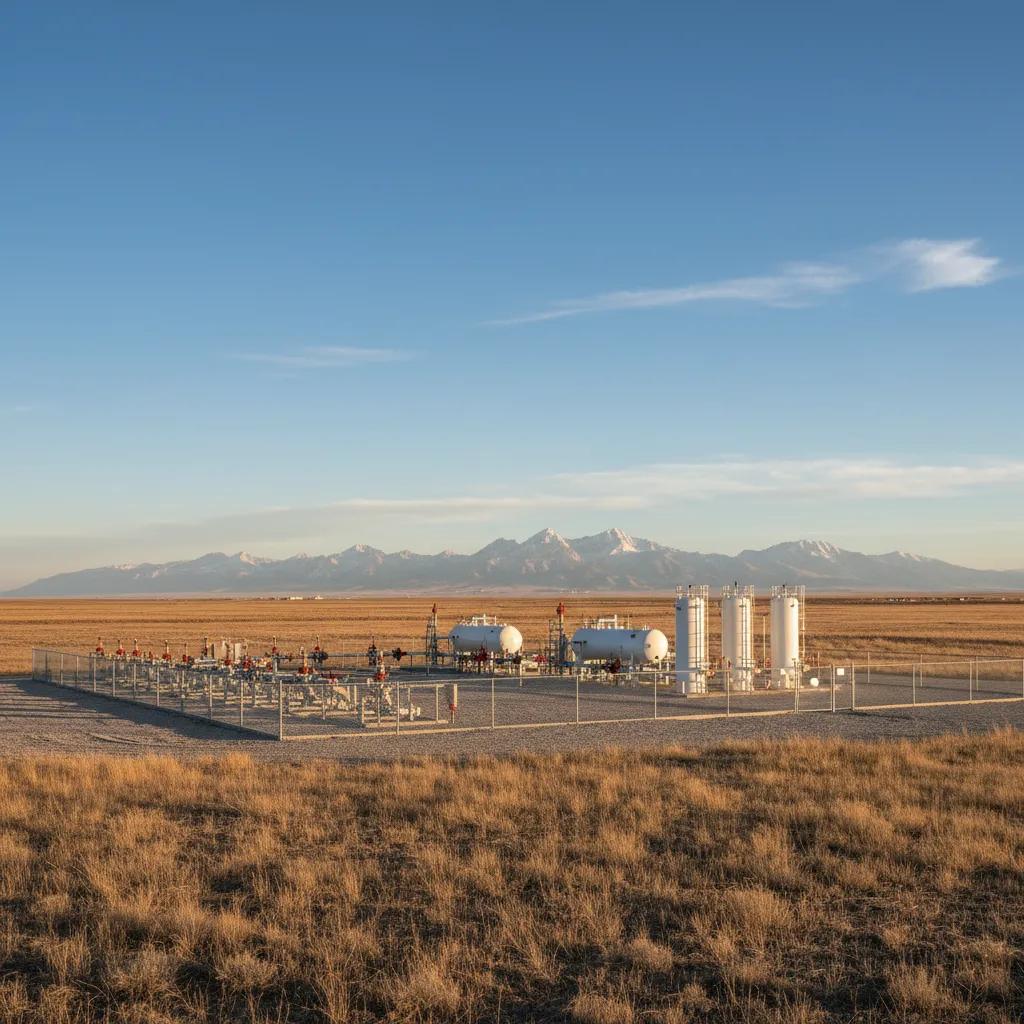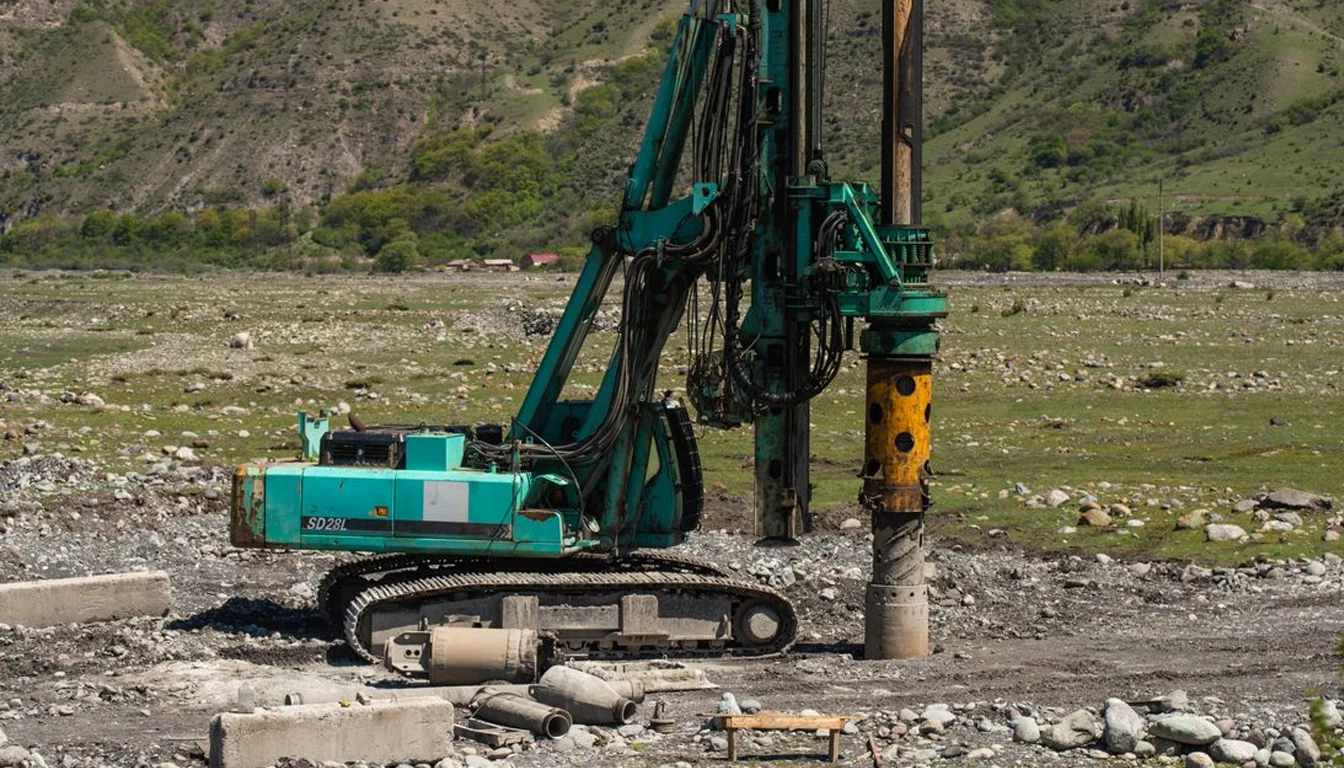
Prairie Operating spent the last year turning itself from a small-cap curiosity into a real DJ Basin producer, and the first quarter of 2026 is the first clean look at the result. The company reported total production of about 2.1 million barrels of oil equivalent, roughly 23,200 barrels per day, weighted 72% to liquids and 48% oil. Revenue was $83.4 million, up more than 500% quarter over quarter, and adjusted EBITDA was $37.2 million, up more than 600%. Those are not organic numbers; they are what happens when a company completes a transformational acquisition.
The deal behind them is the $602.75 million purchase of assets from Bayswater Exploration and Production, which closed and moved through its transition-services period during the period. It added a large oil-weighted Colorado position at 69% liquids, expanded the footprint to about 54,000 net acres, and brought approximately 600 economic drilling locations, which the company frames as around ten years of inventory. Operationally, Prairie drilled 13 of 17 wells in a single run and delivered all of them below their authorized cost estimates.
The asterisk is in the C-suite
The awkward part of the story is the leadership. On March 2, Prairie announced that Chief Executive and Chairman Edward Kovalik resigned and President and director Gary Hanna retired, with Richard Frommer stepping in as interim president and chief executive. A leadership change of that scale, arriving right as the company integrates a company-defining acquisition, is exactly the kind of thing a careful investor flags. Integrations are hard enough with a stable management team; doing one through an interim CEO adds a layer of execution risk that the raw production numbers do not capture.
The other side
The bull case is straightforward: Prairie now has real scale, a decade of drilling inventory, oil-weighted cash flow, and management reaffirmed its 2026 guidance. The bear case is equally clear: the company took on a large acquisition, carries the debt that funds deals like this, is exposed to oil prices it does not control, and just lost its top two executives. This is a genuinely bigger, more cash-generative company than it was a year ago, and also a riskier one to run.
- Real scale and inventory. ~23,200 Boe/d, 54,000 net acres, and roughly ten years of drilling locations after the Bayswater deal.
- Strong operational execution. 13 of 17 wells drilled in a single run, all below cost estimates.
- Leadership turnover. The CEO and chairman resigned and the president retired as the integration began.
- Deal-funded and price-exposed. Acquisition debt and oil-price sensitivity are the standing risks.
What to watch
The pace and cost of integrating Bayswater under interim leadership, appointment of a permanent CEO, and whether production and cash flow hold at the new scale. The company bought its way to relevance. Now it has to run what it bought.
All coverage Prairie OperatingPROPDisclosure
This article is independent editorial content and reflects the author's opinion and analysis as of the date of publication. It is not investment advice and should not be relied on as the basis for any investment decision. MicroCap Desk and its contributors received no compensation of any kind — cash, securities, or otherwise — from any company mentioned, or from any third party, in connection with this article. The author holds no position in any security mentioned. Information is drawn from sources believed reliable but is not guaranteed accurate or complete. Microcap securities carry a high risk of loss. Do your own research. See our full Disclosure.